
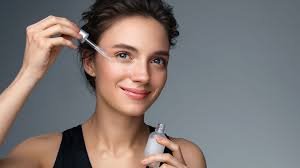
Skin & Beauty Peptides Explained: How Peptides Support Skin Health in 2025
Skin peptides. Skin health is one of the fastest-growing areas of peptide research. In 2025, peptides are widely studied for their potential roles in skin regeneration, collagen support, elasticity, pigmentation, and overall skin quality.
Unlike traditional skincare ingredients that work only on the surface, peptides are researched for how they communicate with skin cells at a deeper level. This article explains the most discussed skin and beauty peptides, how they work, and why they are increasingly popular in scientific and cosmetic research.
Why Peptides Are Important for Skin Health
Skin is constantly renewing itself. Every day, skin cells divide, repair damage, and respond to environmental stress such as UV exposure, pollution, and oxidative damage. skin peptides.
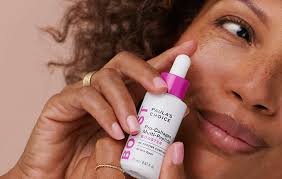
Peptides are studied because they may:
-
signal skin cells to repair damage
-
support collagen and elastin production
-
improve skin texture and firmness
skin peptides. -
help regulate pigmentation
-
support wound healing and regeneration
-
reduce visible signs of aging
Their ability to act as cellular messengers makes them especially interesting in skin-focused research.
How Skin Peptides Work at the Cellular Level
Skin peptides typically interact with receptors on:
-
fibroblasts
-
keratinocytes
-
immune cells within the skin
-
melanocytes
skin peptides.
Once a peptide binds to its receptor, it may trigger:
-
collagen synthesis
-
improved cell turnover
-
reduced inflammatory signaling
-
enhanced tissue repair
-
better moisture retention
Each peptide works differently depending on its amino-acid structure and target receptor.
GHK-Cu — The Most Researched Skin Peptide
GHK-Cu (Copper Tripeptide-1) is one of the most studied peptides in skin research. It naturally occurs in the human body and is associated with skin repair and regeneration. skin peptides.
Research interest around GHK-Cu includes:
-
stimulation of collagen and elastin
-
support for wound healing
-
improvement in skin firmness
-
antioxidant activity
-
regulation of inflammatory responses in skin tissue
Because of its broad activity, GHK-Cu is often considered the foundation of peptide-based skin research.
Matrixyl 3000 — Collagen Signaling Peptide
Matrixyl 3000 is a peptide complex widely studied for its ability to signal collagen production. Rather than adding collagen from the outside, Matrixyl peptides are researched for how they encourage skin cells to produce their own collagen.
Research focuses on:
-
reduction in fine lines and wrinkles
-
improved skin texture
-
increased firmness and elasticity
-
long-term skin structure support
Matrixyl peptides are frequently discussed in anti-aging and cosmetic science publications. skin peptides.
Argireline — Expression Line Peptide
Argireline is often referred to as a “botox-like peptide” in cosmetic research, although its mechanism is very different.
Studies explore Argireline for its potential to:
-
reduce the appearance of expression lines
-
influence muscle contraction signaling in facial tissue
-
support smoother skin appearance
-
reduce wrinkle depth over time
It is especially popular in research related to facial aesthetics and expression-related aging.
GHK-Cu vs Matrixyl vs Argireline — Key Differences
Although all three peptides support skin health, their roles are distinct:
-
GHK-Cu focuses on regeneration, healing, and overall skin quality
-
Matrixyl 3000 focuses on collagen signaling and structure
-
Argireline focuses on expression-related wrinkle appearance
Because they act on different pathways, researchers often explore them together rather than individually.
Melanotan Peptides & Skin Pigmentation Research
Pigmentation is another major area of skin peptide research.
Melanotan-1
Melanotan-2
These peptides are studied for their role in melanocyte stimulation and melanin production. Research areas include:
-
pigmentation response
-
UV protection mechanisms
-
skin tone modulation
-
photoprotection research
They are often discussed in tanning and pigmentation-related studies rather than anti-aging.
Afamelanotide — Advanced Pigmentation Peptide
Afamelanotide is a more advanced peptide studied in pigmentation and photoprotection research. Scientific interest includes:
-
increased melanin production
-
UV damage resistance
-
skin protection mechanisms
-
cellular response to light exposure
It is often examined in medical and dermatological research environments.
Why Skin Peptide Research Is Exploding in 2025
Skin peptides are gaining popularity because:
-
skin aging is a universal concern
-
peptides offer targeted cellular signaling
-
research supports collagen-focused approaches
-
peptides integrate well with other skincare systems
-
results are gradual and biologically driven
This makes peptide-based skin research one of the fastest-growing segments in the industry.

Skin Peptides vs Traditional Skincare Ingredients
Traditional ingredients often:
-
work only on the surface
-
hydrate temporarily
-
exfoliate without signaling repair
Peptides, on the other hand, are researched for their ability to:
-
communicate with skin cells
-
activate repair mechanisms
-
influence long-term skin structure
-
support natural regeneration
This difference explains why peptide-focused skincare continues to grow.
Who Searches for Skin Peptide Content?
This type of article attracts:
-
skincare enthusiasts
-
anti-aging researchers
-
beauty professionals
-
cosmetic scientists
-
people comparing advanced skincare solutions
Conclusion
Skin and beauty peptides represent a powerful intersection between cosmetic science and cellular biology. From collagen signaling and wrinkle reduction to pigmentation and skin regeneration, peptides are reshaping how researchers understand skin health.
By covering peptides such as GHK-Cu , Matrixyl 3000 , Argireline , and pigmentation-focused peptides, your site positions itself as a trusted educational resource in advanced peptide research.

