Cognitive & Nootropic Peptides Explained: How Peptides Support Brain Function in 2025
Cognitive performance is one of the most rapidly growing areas of peptide research. In 2025, peptides designed to influence brain signaling, memory formation, focus, emotional balance, and neural resilience are receiving unprecedented scientific attention.
Unlike stimulants that force short-term alertness, cognitive peptides are studied for how they support natural brain communication pathways, offering a more targeted and biologically aligned approach to mental performance.
This article explores the most discussed cognitive and nootropic peptides, how they work at the neural level, and why they are becoming increasingly popular in research.
What Are Cognitive Peptides?
Cognitive peptides are short amino-acid chains studied for their interaction with the central nervous system. They influence how neurons communicate, adapt, and recover.
Research interest focuses on their potential to support:
-
memory formation
-
learning capacity
-
mental clarity
-
emotional regulation
-
stress resilience
-
neuroplasticity
Because the brain relies heavily on precise signaling, peptides are considered ideal tools for targeted cognitive research.
How Peptides Affect Brain Signaling
Neurons communicate through chemical messengers and electrical signals. Cognitive peptides interact with this system by binding to receptors involved in:
-
neurotransmitter release
-
synaptic plasticity
-
stress hormone regulation
-
inflammation control in neural tissue
Instead of overstimulating the brain, peptides are studied for how they optimize signaling efficiency, allowing the brain to function more smoothly.
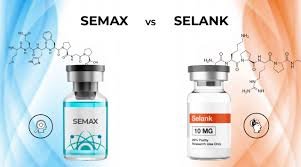
Semax — Focus, Alertness & Learning
Semax is one of the most widely researched cognitive peptides. It is commonly studied for its potential influence on:
-
focus and attention
-
learning speed
-
mental stamina
-
neuroprotection
-
cerebral blood flow
Semax is especially popular in research environments examining productivity, academic performance, and cognitive endurance under stress.
Selank — Calm Focus & Emotional Balance
Selank is often described as a cognitive-emotional peptide. Research interest includes its potential to support:
-
anxiety regulation
-
emotional stability
-
calm focus
-
stress adaptation
-
mental clarity without sedation
Because emotional state and cognition are closely linked, Selank appears frequently in studies involving mental performance under pressure.
Dihexa — Neuroplasticity & Memory Pathways
Dihexa is one of the most advanced peptides in cognitive research. It is often discussed for its role in:
-
synapse formation
-
neural connectivity
-
memory consolidation
-
long-term learning pathways
Research models frequently explore Dihexa in the context of neuroplasticity — the brain’s ability to adapt, grow, and reorganize itself.
Semax vs Selank vs Dihexa — Key Differences
Although all three are cognitive peptides, their focus areas differ:
-
Semax emphasizes alertness, learning, and mental energy
-
Selank emphasizes emotional balance and stress resilience
-
Dihexa emphasizes memory formation and neural growth
This is why research often categorizes them into different cognitive sub-groups rather than treating them as interchangeable compounds.

Cognitive Peptides and Stress Response
Chronic stress negatively impacts cognition by:
-
increasing cortisol
-
reducing focus
-
impairing memory
-
increasing mental fatigue
Cognitive peptides are studied for their potential to support stress adaptation by influencing:
-
neurotransmitter balance
-
stress-hormone signaling
-
neural inflammation pathways
This makes them particularly interesting for research involving high-pressure environments.
Cognitive Peptides and Neuroinflammation
Neuroinflammation plays a role in:
-
brain fog
-
memory decline
-
reduced learning capacity
-
mental fatigue
Some cognitive peptides are explored for their possible influence on inflammatory signaling in the brain, helping maintain a healthier neural environment.
Combining Cognitive Peptides With Other Systems
In advanced research setups, cognitive peptides are sometimes examined alongside:
The idea is to support brain performance not just directly, but also through improved sleep, energy metabolism, and cellular repair.
Why Cognitive Peptide Content Ranks Well
Articles on cognitive peptides perform strongly because:
-
people actively search for focus and memory solutions
-
competition is still relatively low
-
it allows strong internal linking across categories.
-
it allows strong internal linking across categories
Who This Article Is For
This content attracts:
-
students and professionals
-
researchers and academics
-
biohackers
-
longevity enthusiasts
-
people comparing nootropic solutions
Conclusion
Cognitive and nootropic peptides represent one of the most exciting frontiers in modern peptide research. By supporting neural signaling, emotional balance, and brain adaptability, peptides like Semax, Selank, and Dihexa are reshaping how scientists explore mental performance.
As interest in brain health continues to grow, cognitive peptides are positioned to remain a central topic well beyond 2025.