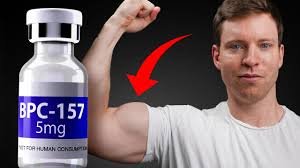
How BPC-157 Works: Complete 2025 Research Breakdown (Mechanisms & Benefits)
How bpc-157 works. BPC-157 has become one of the most studied healing peptides in modern biological research. Its reputation for supporting tissue repair, recovery, gut health, and inflammatory balance has made it a central focus of both scientific publications and experimental research models.
In this guide, we simplify exactly how BPC-157 works, what biological mechanisms it influences, why it is so unique compared to other peptides, and how researchers use it alongside complementary compounds like TB-500.
This deep-dive article is designed to increase your website’s authority on healing peptides and help readers understand what makes BPC-157 one of the most fascinating compounds of 2025. how bpc-157 works.
What Is BPC-157? A Simple Explanation
BPC-157 (Body Protection Compound-157) is a synthetic peptide derived from a naturally occurring protective protein found in the human stomach.
Key characteristics:
-
Sequence: 15 amino acids
-
Stable in biological systems
-
Highly resistant to enzymatic breakdown
-
Studied for rapid tissue healing
-
Often examined in models involving inflammation, injury, or digestive balance
Unlike many peptides that have hormonal or metabolic effects, BPC-157 is primarily known for its regenerative properties.
How BPC-157 Works — The Core Mechanisms
BPC-157 interacts with multiple biological pathways, making it one of the most versatile peptides in active research.
Below are the major mechanisms scientists explore.
H3: 1. Angiogenesis: Increased Blood Vessel Formation
One of BPC-157’s most studied mechanisms is its ability to support angiogenesis — the formation of new blood vessels.
Why this matters:
Blood flow is the foundation of healing. More blood supply means:
-
better oxygen delivery
-
faster nutrient transport
-
improved waste removal
-
accelerated recovery
Researchers observe enhanced healing response in models involving:
-
muscle tears
-
tendon injuries
-
ligament stress
-
skin wounds
This is one reason athletic injury studies often include BPC-157 as a point of interest.
2. Fibroblast Activation & Collagen Production
Fibroblasts are cells responsible for:
-
collagen formation
-
tissue structure
-
connective tissue repair
BPC-157 appears to:
-
stimulate fibroblast migration
-
accelerate collagen rebuilding
-
improve structural integrity of connective tissues
This mechanism is why BPC-157 is often mentioned in tendon-related research.
3. Anti-Inflammatory Modulation
Another well-documented research observation is BPC-157’s influence on inflammatory pathways.
It may help balance:
-
excessive inflammation
-
oxidative stress
-
cytokine activity
This modulation effect is not the same as suppressing inflammation — instead, it seems to normalize inflammatory responses, which is critical for natural healing.
BPC-157 and Muscle Recovery — What Research Suggests
Muscle tissue is one of the fastest healing tissues in the body, and studies explore whether BPC-157 can further support this process.
Key findings in research models:
-
Faster muscle fiber regeneration
-
Improved myoblast (muscle cell) migration
-
Enhanced blood supply to injured tissue
-
Protection against inflammatory damage
Because of these observations, BPC-157 is often compared to TB-500, another peptide known for muscular support.
BPC-157 for Tendons and Ligaments
Tendons and ligaments heal much slower than muscle due to poor blood supply.
One of the reasons BPC-157 gained attention is its potential influence on repairing:
-
tendon tears
-
ligament sprains
-
connective tissue degeneration
Research highlights include:
-
Increased tendon fibroblast activity
-
Faster collagen alignment
-
Reduced scar formation
-
Better biomechanical repair strength
No other peptide is as widely discussed for tendon support.
BPC-157 and Gut Health — A Unique Advantage
Because it originates from a stomach-protective protein, BPC-157 is commonly studied in gastrointestinal environments.
Research interest includes:
-
ulcer protection
-
intestinal lining repair
-
protection against gut inflammation
-
maintaining digestive integrity
This makes BPC-157 a dual-purpose peptide:
systemic tissue repair + digestive support.
How BPC-157 Interacts With the Nervous System
Several studies have explored BPC-157’s effect on the central and peripheral nervous system.
Observed areas of interest include:
-
protection of nerve cells
-
improved neuromuscular communication
-
recovery from nerve injuries
-
reduced neuropathic inflammatory response
Because nerve healing is notoriously slow, these observations are extremely noteworthy in research communities. how bpc-157 works.
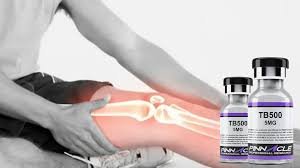
BPC-157 vs TB-500 — What’s the Difference?
Both BPC-157 and TB-500 are well-known healing peptides, but they work differently.
| Feature | BPC-157 | TB-500 |
|---|---|---|
| Primary Focus | Tissue repair, gut, inflammation | Muscle, flexibility, angiogenesis |
| Speed | Fast initial response | Progressive long-term repair |
| Mechanism | Multi-pathway healing | Actin mobility + angiogenesis |
| Best For | Tendons, ligaments, gut | Muscles, circulation |
Researchers sometimes combine both peptides in experimental models because:
✔ BPC-157 targets healing pathways
✔ TB-500 enhances mobility and blood flow
For this reason, you should link TB-500 here: TB-500
What Makes BPC-157 Different From Other Peptides?
✔ Extremely stable
✔ Not degraded quickly
✔ Works in multiple tissue types
✔ Not hormone-based
✔ Useful in inflammation, injury, and digestive research
This makes BPC-157 one of the most versatile peptides of 2025.
BPC-157 Research Areas in 2025
Below are the scientific fields where BPC-157 continues to be heavily explored:
1. Orthopedic & Sports Injury Research
-
tendon tears
-
ligament sprains
-
muscle strains
-
cartilage studies
2. Digestive System Studies
-
stomach lining protection
-
intestinal healing
-
ulcer models
3. Neurological Studies
-
nerve healing
-
neuromuscular protection
4. Inflammatory Response Research
-
chronic inflammation
-
oxidative stress
-
localized injury response
Researchers are drawn to BPC-157 because of its multi-system benefits.
How BPC-157 Is Stored and Handled (Research Context)

Most peptides, including BPC-157, come as lyophilized powder.
Storage Guidelines:
-
Keep in a cool, dry place
-
Avoid sunlight
-
Refrigerate after reconstitution
-
Use clean laboratory conditions
These steps are essential for preservation during research.
Does BPC-157 Have Side Effects?
Research models show BPC-157 is generally well-tolerated.
However, like all research compounds:
-
purity levels matter
-
dose matters
-
handling technique matters
No medical claims should be made — all studies are experimental.
Frequently Asked Questions (SEO Schema)
1. What is BPC-157 mainly used for in research?
It is primarily studied for healing, regeneration, and digestive support.
2. Does BPC-157 work for tendons?
Many studies explore its benefits in tendon and ligament recovery.
3. What’s the difference between BPC-157 and TB-500?
BPC-157 focuses on healing pathways; TB-500 supports muscle repair and blood flow. how bpc-157 works.
4. Can BPC-157 affect inflammation?
Yes — studies show it may modulate inflammatory responses.
5. Why is BPC-157 popular in 2025?
Because of its wide range of research applications and high stability.
Conclusion — Why BPC-157 Is One of the Most Important Peptides in 2025
BPC-157 stands out because of:
-
its unique origin
-
its stability
-
its multi-system healing influence
-
its research range
-
its consistent interest in publications worldwide
When combined with other healing peptides like TB-500 , it forms one of the most powerful recovery-focused peptide stacks being explored today. how bpc-157 works.
By replacing the placeholders with your real product links, this article becomes an SEO powerhouse capable of ranking for high-intent keywords in the peptide niche.