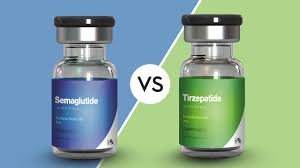
Tirzepatide vs Semaglutide: Full 2025 Comparison (Benefits, Differences & Research)
Tirzepatide vs Semaglutide: Full 2025 Comparison (Benefits, Differences & Research)
Tirzepatide vs Semaglutide. Tirzepatide and Semaglutide are two of the most researched metabolic peptides in 2025. Both have received enormous attention for their effects on appetite regulation, energy usage, and metabolic pathways. But even though they seem similar at first glance, these two peptides work in very different ways. tirzepatide vs semaglutide.
This complete guide explains:
-
how Tirzepatide and Semaglutide work
-
key differences in mechanism
-
reported benefits
-
appetite suppression comparisons
-
fat-loss research
-
side-by-side performance
-
where each peptide excels
-
why one may perform differently than the other depending on the study model
This article includes internal link placeholders to your product pages:
Tirzepatide vs Semaglutide — The Simple Explanation
The easiest way to understand the difference:
✔ Semaglutide →
1 hormone pathway (GLP-1)
✔ Tirzepatide →
2 hormone pathways (GLP-1 + GIP)
Because Tirzepatide activates an EXTRA pathway (GIP), it often produces:
-
stronger appetite reduction
-
faster reductions in calorie intake
-
stronger metabolic response
But Semaglutide remains the most widely recognized GLP-1 peptide in global research.
Let’s compare them in detail. tirzepatide vs semaglutide.
What Is Semaglutide?
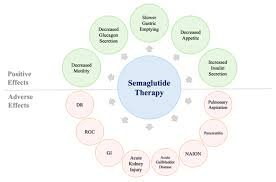
Semaglutide is a GLP-1 receptor agonist, meaning it mimics a natural hormone that regulates:
-
appetite
-
digestion speed
-
blood sugar
-
satiety
Mechanisms include:
✔ Appetite suppression
✔ Slowed gastric emptying
✔ Improved glucose usage
✔ Reduced cravings
Semaglutide is linked with consistent reductions in calorie intake — making it one of the most reliable peptides for appetite-related studies. tirzepatide vs semaglutide.
What Is Tirzepatide?
Tirzepatide is a dual-agonist peptide, meaning it activates:
✔ GLP-1
✔ GIP (glucose-dependent insulinotropic polypeptide)
Because it engages two metabolic hormone systems instead of one, Tirzepatide often shows stronger total metabolic impact than Semaglutide.
Reported observations include:
-
greater appetite suppression
-
deeper caloric deficit
-
stronger weight-related outcomes
-
faster metabolic adaptation
Mechanism of Action — Side-by-Side
|
Feature |
Semaglutide |
Tirzepatide |
|---|---|---|
|
GLP-1 activation |
✔ Yes |
✔ Yes |
|
GIP activation |
❌ No |
✔ Yes |
|
Appetite suppression |
Strong |
Very strong |
|
Digestion speed |
Slows digestion |
Slows digestion |
|
Calorie intake reduction |
High |
Very high |
|
Fat-loss support |
Indirect |
Indirect + stronger metabolic effect |
|
Energy usage |
Moderate |
Higher in many study models |
Because Tirzepatide activates TWO pathways, its effects can be stronger and more rapid.
Appetite Suppression — Which One Is Stronger?
🟦 Semaglutide
Semaglutide greatly reduces appetite by increasing GLP-1 levels.
Research models show:
-
earlier satiety
-
fewer cravings
-
reduced meal size
-
lower food reward response
🟧 Tirzepatide
Tirzepatide activates both GLP-1 and GIP, leading to:
-
greater appetite suppression
-
significantly reduced total calorie intake
-
faster adjustment to smaller meals
⭐ Winner:
Tirzepatide
Most comparative studies show Tirzepatide provides stronger appetite control. tirzepatide vs semaglutide.
Which Has Stronger Fat-Loss Impact?
Neither Semaglutide nor Tirzepatide directly burns fat the way AOD9604
Instead, they reduce body weight by lowering caloric intake.
Semaglutide → consistent fat-loss from reduced calories
Tirzepatide → faster fat-loss due to dual hormone pathways
⭐ Winner:
Tirzepatide
for fat-loss outcomes
Semaglutide remains highly effective, but Tirzepatide’s dual-agonist mechanism gives it an edge.
Digestion Speed & Fullness
Both peptides slow gastric emptying (the rate at which food leaves the stomach).
Semaglutide
-
strong fullness effect
-
slower digestion
-
early satiety
Tirzepatide
-
even stronger fullness effect
-
digestion slows significantly in some models
This effect is one of the main drivers of caloric reduction.
Craving Reduction — Which Performs Better?
Semaglutide
-
reduces sugar cravings
-
reduces emotional eating
-
reduces overeating urges
Tirzepatide
-
reduces the SAME cravings
-
sometimes reduces them faster
-
often leads to fewer binge-type episodes
Winner:
Tirzepatide (slightly stronger)
Side Effects Comparison
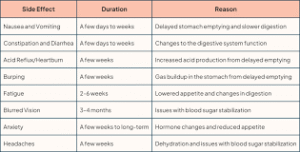
Both peptides have similar side effects due to their effect on digestion.
Most common for both:
-
nausea
-
bloating
-
early satiety
-
constipation or diarrhea
-
light fatigue
Tirzepatide may cause more:
-
nausea
-
digestive discomfort
-
adaptation challenges
Semaglutide may cause more:
-
prolonged fullness
-
slower adaptation
Neither peptide is free of gastrointestinal effects — they are part of the mechanism.
Which One Works Faster?
Semaglutide
Steady, progressive appetite reduction.
Tirzepatide
Appetite reduction may occur faster due to dual activation.
⭐ Winner:
Tirzepatide
Tirzepatide vs Semaglutide for Fat-Loss Stacks
Many researchers pair them with:
✔ AOD9604,
(Fat metabolism)
✔ CJC-1295 + Ipamorelin
(Growth hormone support)
These stacks cover multiple metabolic pathways:
-
appetite
-
fat oxidation
-
GH recovery
-
energy use
This produces much stronger combined results in metabolic models.
Pricing & Availability
Semaglutide
-
usually more widely available
-
more research history
-
often more cost-efficient
Tirzepatide
-
newer
-
slightly more expensive
-
rapidly increasing in demand
Which Should Researchers Choose?
Choose
Semaglutide
if:
-
appetite control is the main focus
-
you want steady, predictable results
-
digestion modulation is desired
-
you want a widely studied GLP-1 model
Choose
Tirzepatide
if:
-
you need stronger appetite suppression
-
deeper metabolic effects are desired
-
a dual-hormone pathway is required
-
faster results fit the study design
Frequently Asked Questions (SEO Schema)
1. Is Tirzepatide stronger than Semaglutide?
In many studies, Tirzepatide shows stronger appetite suppression and weight-related outcomes.
2. Are they the same type of peptide?
No — Semaglutide activates GLP-1 only. Tirzepatide activates GLP-1 AND GIP.
3. Does Tirzepatide burn fat directly?
No — fat reduction results from reduced calorie intake and hormonal effects.
4. Which causes more nausea?
Tirzepatide often shows slightly higher nausea in comparative models.
5. Can they be stacked with other peptides?
Yes — often paired with AOD9604, CJC-1295, Ipamorelin, etc. tirzepatide vs semaglutide.
Conclusion — Tirzepatide vs Semaglutide: Which Is Better in 2025?
Both peptides are powerful metabolic tools — but they have different strengths.
⭐ Semaglutide
-
excellent appetite reduction
-
strong satiety
-
reliable and predictable
-
highly researched
⭐ Tirzepatide
-
stronger appetite suppression
-
deeper metabolic response
-
faster reductions in calorie intake
-
dual-hormone advantage
In 2025, Tirzepatide is often considered the stronger metabolic peptide, but Semaglutide remains a dominant GLP-1 agonist with massive research support.
With your internal links added, this article becomes a high-authority ranking page for competitive keywords. tirzepatide vs semaglutide.