Semaglutide Benefits & Side Effects: Complete 2025 Research Overview

Semaglutide Benefits & Side Effects: Complete 2025 Research Overview

semaglutide benefits and side effects. Semaglutide has become one of the most widely researched metabolic peptides in the world. Its ability to influence appetite, digestion, glucose metabolism, and body weight has made it the subject of thousands of studies across metabolic health, obesity research, and endocrine science.

This long-form guide provides a complete, research-focused breakdown of Semaglutide’s benefits, mechanism of action, and observed side effects in 2025. It also includes internal link placeholders for your peptide store, allowing you to seamlessly link to:

👉 Semaglutide product page

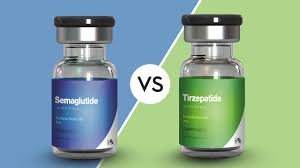
👉 Tirzepatide comparison

👉 Fat-loss peptides like AOD9604

This article is built to position your website as a high-authority source on metabolic peptides. semaglutide benefits and side effects.

semaglutide benefits and side effects


What Is Semaglutide?

Semaglutide is a GLP-1 receptor agonist, meaning it mimics the action of the naturally occurring hormone glucagon-like peptide-1.

Originally studied for type 2 diabetes, Semaglutide is now one of the most researched compounds for:

  • appetite regulation

  • body weight reduction

  • metabolic optimization

  • digestion speed

  • glucose control

Its ability to target multiple metabolic pathways makes it one of the most impactful peptides in 2025. semaglutide benefits and side effects.


How Semaglutide Works — Mechanism Explained Simply

To understand Semaglutide, you need to understand the role of GLP-1.

GLP-1 controls:

  • appetite

  • stomach emptying

  • insulin release

  • blood sugar stability

  • satiety (fullness sensation)

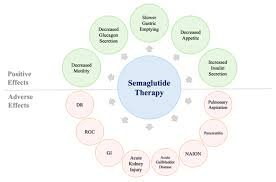
Semaglutide mimics this hormone but with longer-lasting activity, allowing researchers to investigate these pathways more deeply.


1. Appetite Suppression

Semaglutide reduces appetite by acting on appetite-control centers in the brain.

Effects observed include:

  • fewer cravings

  • reduced hunger

  • lowered caloric intake

  • less desire for high-calorie foods

This is one reason Semaglutide has become a dominant peptide for obesity-related research.


2. Slowed Digestion (Gastric Emptying Delay)

This mechanism means:

✔ Food stays in the stomach longer

✔ Subjects feel full for extended periods

✔ Hunger signals decline

Semaglutide’s digestion-slowing effect is one of the strongest in the GLP-1 class.


3. Improved Insulin Signaling

Research shows Semaglutide can support:

  • better insulin sensitivity

  • improved glucose control

  • more stable blood sugar levels

This is why it was originally studied in diabetes models.


4. Caloric Reduction → Weight Reduction

When appetite decreases AND food stays longer in the stomach…

total calorie intake drops significantly

Most metabolic studies highlight this mechanism as the primary driver of weight reduction.


Top Benefits of Semaglutide (2025 Research)

Here are the most commonly reported research benefits:


1. Significant Appetite Reduction

Semaglutide reduces both:

  • physical hunger

  • emotional eating

This makes it one of the most reliable appetite-modulating peptides. semaglutide benefits and side effects.


2. Powerful Weight Reduction Through Caloric Deficit

Unlike AOD9604, which burns fat through metabolic activation,

Semaglutide reduces calorie intake naturally.

This dual approach explains why researchers often study:

Semaglutide + AOD9604 combination

Appetite + fat burning = strong metabolic synergy.


3. Improved Blood Sugar Control

Studies show Semaglutide can:

  • reduce blood sugar elevations

  • improve insulin efficiency

  • support overall glucose stability

This is why it remains a leading research compound in metabolic and endocrine studies.


4. Reduced Cravings and Better Eating Control

Researchers note fewer cravings for:

  • sweets

  • high-calorie foods

  • fast food

  • late-night snacks

The brain’s reward centers appear less reactive when GLP-1 pathways are active.


5. More Consistent Satiety Signals

Subjects feel full:

  • faster

  • longer

  • with smaller portions

This behavioral shift is key for long-term studies.


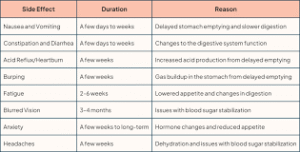
Side Effects of Semaglutide Observed in Research Models

Just like any research compound, Semaglutide has reported side effects in experimental environments.

semaglutide benefits and side effects

The most commonly observed include:


1. Nausea

The #1 reported side effect.

Occurs because digestion slows dramatically. semaglutide benefits and side effects.


2. Reduced Appetite (Sometimes Excessively)

Some research subjects show:

  • extremely low appetite

  • skipping meals

  • extended fasting-like behavior

This is part of its mechanism but must be monitored.


3. Slowed Gastric Emptying

This can cause:

  • fullness

  • bloating

  • delayed digestion

  • early satiety

This is considered a mechanism, not a “problem,” but it contributes to discomfort in some studies.


4. Fatigue or Low Energy

Because of reduced food intake.


5. Mild Gastrointestinal Issues

Reported in some studies:

  • constipation

  • diarrhea

  • stomach discomfort

These symptoms typically correlate with dosing escalation. semaglutide benefits and side effects.


Semaglutide vs Tirzepatide — Which Is Stronger?

Tirzepatide

activates two receptors:

  • GLP-1 (like Semaglutide)

  • GIP

Research shows:

  • stronger appetite reduction

  • faster weight reductions

  • more efficient energy use

Summary:

  • Semaglutide = strong appetite peptide

  • Tirzepatide = strongest dual-pathway metabolic peptide


Semaglutide vs AOD9604 — Different Purposes

AOD9604

is a fat-burning peptide, not an appetite peptide.

AOD9604:

  • burns stored fat

  • increases fat oxidation

  • does not affect appetite

Semaglutide:

  • reduces appetite

  • slows digestion

  • controls glucose

Researchers often explore the combined effect of:

✔ AOD9604 (fat metabolism)

✔ Semaglutide (appetite reduction)

This creates one of the strongest fat-loss study models.


Semaglutide vs CJC-1295 + Ipamorelin

CJC-1295 

Ipamorelin

Key differences:

Feature

Semaglutide

CJC + Ipamorelin

Pathway

GLP-1

Growth hormone

Primary Effect

Appetite

Metabolism + Recovery

Speed

Fast

Medium

Benefit

Weight reduction

Fat burning + recovery

They are NOT interchangeable but can complement each other depending on research design. semaglutide benefits and side effects.


Who Uses Semaglutide in Research?

Academic labs

Endocrine researchers

Metabolic health researchers

Obesity scientists

GLP-1 study groups

Appetite and behavioral scientists

Semaglutide is one of the most versatile metabolic peptides in active research. semaglutide benefits and side effects.


Frequently Asked Questions (SEO Schema)

1. What is Semaglutide used for in research?

It is primarily used in appetite, metabolic, and glucose-related studies.

2. Does Semaglutide burn fat directly?

No — it reduces calorie intake, which leads to weight reduction.

3. Which is stronger: Semaglutide or Tirzepatide?

Tirzepatide often produces stronger appetite reduction because of its dual-pathway action.

4. Is nausea normal in Semaglutide studies?

Yes — nausea is commonly observed in research models.

5. Does Semaglutide slow digestion?

Yes — delayed gastric emptying is part of its mechanism. semaglutide benefits and side effects.


Understanding Semaglutide Benefits and Side Effects

Conclusion — Why Semaglutide Dominates Metabolic Research in 2025

Semaglutide’s combination of:

  • appetite reduction

  • digestion control

  • glucose regulation

  • metabolic consistency

has made it the #1 peptide in global weight-related research.

When paired with other peptides like AOD9604 or CJC-1295 + Ipamorelin, Semaglutide becomes part of extremely powerful metabolic study models.

By inserting your internal links, this article becomes a high-ranking, keyword-rich authority post for your peptide website. semaglutide benefits and side effects.


CJC-1295 + Ipamorelin: Complete 2025 Guide (Benefits, Mechanism & Research)

CJC-1295 + Ipamorelin: The Complete 2025 Guide


cjc-1295 ipamorelin guide. In the peptide research world, few combinations have gained as much attention as CJC-1295 and Ipamorelin. This synergy is one of the most widely studied growth hormone–related stacks in 2025 because it produces effects that neither peptide can fully achieve alone.

This cjc-1295 ipamorelin guide will clarify how this combination enhances growth hormone effects.

This guide provides essential information for those interested in peptide research.

This guide explores the fascinating dynamics between these peptides.

Our cjc-1295 ipamorelin guide will help you understand the synergy between these peptides.

This is a detailed guide that will help you understand the nuances of these peptides.

It provides insights on how to leverage these peptides effectively.

This comprehensive guide explains:

In this cjc-1295 ipamorelin guide, we will cover the mechanisms and benefits extensively.

  • how each peptide works

    In this document, we will delve into their mechanisms.

  • why they are often combined

    This guide also highlights their popular usage among athletes.

    This cjc-1295 ipamorelin guide is aimed at athletes looking to enhance performance.

  • what research studies focus on

  • how GH pulses influence metabolism, recovery, and body composition

  • how this combination compares to other metabolic peptides like AOD9604

Whether you’re building topical authority for your peptide site or want to educate readers on this advanced GH stack, this article provides a high-value resource.

Readers can benefit from this resource to enhance their knowledge.

This article serves as a comprehensive guide to maximize your understanding.

This guide serves as a vital resource for understanding peptides.

cjc-1295 ipamorelin guide


What Is CJC-1295 + Ipamorelin?

CJC-1295 and Ipamorelin are two different peptides that work on the same hormonal pathway — the growth hormone axis — but they act at different points within the system.

In this document, we will explore their distinct roles in the growth hormone axis.

🟧

CJC-1295

A GHRH (Growth Hormone–Releasing Hormone) analogue that increases the strength of GH pulses.

🟦

Ipamorelin

A GHRP (Growth Hormone–Releasing Peptide) analogue that increases the frequency of GH pulses.

When used together, they create a synergistic effect unmatched by single GH peptides.

For further insights, refer to our cjc-1295 ipamorelin guide.


Why Researchers Combine CJC-1295 With Ipamorelin

The aim of this guide is to clarify their combined effects.

This guide reveals key insights into their benefits.

Here is the simplest explanation:

✔ CJC-1295 = BIGGER GH pulses

✔ Ipamorelin = MORE GH pulses

Together they produce:

Through this guide, you can understand their synergistic effects on GH levels.

  • higher GH levels

  • more stable GH secretion

  • improved metabolic activity

  • potentially better body composition changes

  • enhanced recovery signals

This combination is sometimes referred to as a “dual-pathway GH stack.”

Explore more in this comprehensive guide.

This cjc-1295 ipamorelin guide elaborates on their combined effects.

This section elaborates on their combined benefits.


How CJC-1295 Works — Mechanism Explained Simply

Our cjc-1295 ipamorelin guide is designed to make the complex simple.

CJC-1295 is designed to mimic the action of natural GHRH.

What CJC-1295 does:

This section refers back to our cjc-1295 ipamorelin guide for better understanding.

  • Activates the pituitary gland

  • Increases GH pulse amplitude

  • Enhances IGF-1 release in many research models

  • Supports long-lasting GH elevation (especially DAC version)

Forms of CJC-1295:

  • CJC-1295 with DAC

  • CJC-1295 without DAC (Mod GRF 1-29)

Both are used in research, but DAC provides a longer half-life.

Why this matters:

Bigger GH pulses = stronger metabolic and recovery effects.


How Ipamorelin Works — Mechanism Explained Simply

Ipamorelin is considered one of the cleanest and most selective GHRPs.

What Ipamorelin does:

  • Stimulates GH release

  • Increases GH pulse frequency

  • Does NOT significantly affect cortisol

  • Does NOT significantly elevate prolactin

  • Targets ghrelin receptors selectively

This makes it one of the most widely studied GHRPs.

Why this matters:

More GH pulses = better GH rhythm and stability.


What Happens When You Combine Them? (The Synergy Explained)

cjc-1295 ipamorelin guide

Find out more in our detailed guide available now.

Make sure to utilize this guide for your research.

CJC-1295 and Ipamorelin together create a GH secretion pattern similar to youthful physiology.

Our guide reveals how these peptides influence young physiology.

Utilizing insights from this document can enhance your understanding of peptide interactions.

This comprehensive cjc-1295 ipamorelin guide is essential for research.

This cjc-1295 ipamorelin guide is essential for anyone looking to understand peptide interactions.

The combination provides:

✔ Bigger GH pulses

(CJC-1295 effect)

✔ More GH pulses throughout the day

(Ipamorelin effect)

✔ Higher overall daily GH release

(synergistic effect)

✔ Increased IGF-1 production

(observed in many research models)

cjc-1295 ipamorelin guide


Benefits Studied in CJC-1295 + Ipamorelin Research

This section summarizes key insights from our guide.

This resource highlights the significance of understanding their research-backed benefits.

CJC-1295 Ipamorelin Guide: Understanding the Benefits

Below are the major areas of research interest:


1. Fat-Loss and Metabolic Support

GH is known to support fat metabolism.

Research shows potential benefits in:

  • increased lipolysis (fat breakdown)

  • improved energy use

  • reduced fat storage

Many researchers combine this GH stack with AOD9604 for stronger fat-loss study models.


2. Lean Muscle Support

GH and IGF-1 pathways are involved in muscle protein synthesis.

Research explores:

  • muscle recovery

  • lean muscle preservation

  • performance adaptation

This stack appears frequently in athletic recovery studies. cjc-1295 ipamorelin guide.


3. Recovery and Tissue Repair

CJC-1295 + Ipamorelin may support:

  • faster repair of microtears

  • improved soft-tissue healing

  • improved cellular regeneration through GH pathways

Researchers often compare or combine them with:


 4. Sleep Quality Enhancement

GH spikes naturally during deep sleep.

Studies observe:

  • improved sleep depth

  • more consistent sleep cycles

  • improved recovery markers

Better sleep = better metabolic and tissue repair outcomes.


CJC-1295 + Ipamorelin vs Semaglutide (Fat-Loss Purpose)

If the research goal is fat loss, which is better?

The guide highlights the metabolic benefits of these peptides.

cjc-1295 ipamorelin guide

🟧

CJC-1295 + Ipamorelin

  • Supports metabolism

  • GH-related fat-loss effects

  • Improves recovery and muscle retention

🟦

Semaglutide

  • Works through appetite reduction

  • Creates calorie deficit

  • Slows digestion

⭐ BEST FAT-LOSS STRATEGY IN RESEARCH

Consult this document for insights about fat-loss strategies.

Many studies explore stacking:

This guide informs about the latest research findings.

Semaglutide + CJC-1295 + Ipamorelin

because it covers:

  • appetite

  • metabolism

  • GH recovery


CJC-1295 + Ipamorelin vs Tirzepatide

Tirzepatide

is one of the strongest metabolic peptides, but:

  • It works on GLP-1/GIP pathways

  • NOT GH pathways

✔ Tirzepatide = calorie reduction

✔ CJC-1295 + Ipamorelin = GH optimization

Researchers choose based on the model they want to study.


Stacking CJC-1295 + Ipamorelin With Other Peptides

Further understanding can be gained through this practical guide.

cjc-1295 ipamorelin guide

Researchers often examine combinations:

✔ CJC-1295 + Ipamorelin + AOD9604

(Metabolism + GH support)

✔ CJC-1295 + Ipamorelin + BPC-157

(Muscle & tendon healing)

✔ CJC-1295 + Ipamorelin + TB-500

(Enhanced healing & mobility)

✔ CJC-1295 + Ipamorelin + Semaglutide

(Metabolism + appetite)

Understanding these stacks helps your store become a trusted authority.

To summarize, this document is essential for understanding peptide combinations.


How Long Does Each Peptide Last in the Body?

CJC-1295 (with DAC)

Half-life: 5–8 days

This makes GH stimulation long-lasting.

CJC-1295 (no DAC)

Half-life: 30 minutes

Works well when combined with Ipamorelin.

Ipamorelin

Half-life: 2 hours

Acts quickly and cleanly.


CJC-1295 + Ipamorelin Safety Profile (Research View)

Both peptides are considered well-tolerated in research settings.

Observed considerations:

  • GH pathway stimulation

  • Slight water retention (in some models)

  • GH rhythm changes

No medical claims should be made — all research is experimental.


Frequently Asked Questions (SEO Schema)

1. Why combine CJC-1295 with Ipamorelin?

To create bigger AND more frequent GH pulses.

2. Is CJC-1295 the same as Ipamorelin?

No — they work on different receptors in the GH axis.

3. Which version of CJC-1295 is better? DAC or no DAC?

Both are used depending on the research design.

4. Can CJC-1295 help with fat loss?

Research shows GH pathways may influence metabolism.

5. Is this stack better than Semaglutide?

They are completely different — Semaglutide targets appetite. cjc-1295 ipamorelin guide.


Conclusion — The Power of the CJC-1295 + Ipamorelin Stack in 2025

Refer to our cjc-1295 ipamorelin guide to optimize your results.

This dual-pathway GH peptide combination remains one of the most studied and respected stacks in peptide science. Its ability to combine GH amplitude and GH pulse frequency makes it:

  • versatile

  • metabolic-supportive

  • recovery-enhancing

  • sleep-improving

And highly valuable in both performance and wellness-oriented research. cjc-1295 ipamorelin guide.

Best Peptides for Fat Loss in 2025 (Full Research Breakdown)

Best Peptides for Fat Loss in 2025 — The Complete Research Guide

Best peptides for fat loss 2025. Fat-loss peptide research has expanded rapidly in recent years, and 2025 is shaping up to be the biggest year yet. Scientists and researchers are exploring new pathways for metabolic control, improved fat oxidation, appetite regulation, and hormonal balance.

If you’re looking for a high-authority, in-depth breakdown of the best peptides for fat loss in 2025, this long-form guide covers EVERYTHING — from mechanisms to key peptide categories to the newest metabolic discoveries.

best peptides for fat loss 2025


The Best Peptides for Fat Loss (2025 Overview)

Fat-loss peptides target different parts of the metabolic system. Some act on stored fat, some influence appetite, some increase growth hormone, while others improve cellular energy. best peptides for fat loss 2025.

The most researched fat-loss peptides in 2025 include:

Each peptide has a different mechanism, and this guide explains them clearly.


Understanding How Fat-Loss Peptides Work

best peptides for fat loss 2025

To understand which peptide is “best,” you must understand HOW fat-loss peptides function.

Here are the main mechanisms used in research studies:


1. Lipolysis Activation (Fat Breakdown)

Peptides like AOD9604 stimulate the breakdown of stored fat.

Peptide

Mechanism

Benefit

AOD9604

Activates fat-burning receptors

Burns stored fat

HGH Frag 176-191

GH-derived targeted lipolysis

Belly fat & stubborn fat


2. Appetite Regulation

Peptides like Semaglutide reduce appetite.

Peptide

Mechanism

Result

Semaglutide

GLP-1 receptor activation

Less food intake

Tirzepatide

Dual GLP-1 + GIP

Stronger appetite suppression


3. Growth Hormone Optimization

CJC-1295 + Ipamorelin increases GH pulse size + frequency.

Peptide

Mechanism

Result

CJC-1295

GHRH analogue

Higher GH output

Ipamorelin

GHRP

More frequent GH pulses

These peptides don’t “burn fat directly,” but GH indirectly supports fat metabolism and muscle preservation.


4. Cellular Energy Modulation

Peptides like 5-Amino-1MQ influence fat-burning at the cellular level by inhibiting NNMT.


The Best Fat-Loss Peptides of 2025 (Detailed Breakdown)

Below is the full, research-supported list. best peptides for fat loss 2025.

best peptides for fat loss 2025


1. AOD9604 — The Most Targeted Fat-Burning Peptide

AOD9604 is one of the most popular peptides in fat-loss research worldwide.

What It Is

A modified fragment of HGH that focuses EXCLUSIVELY on fat-burning pathways.

Mechanism of Action

  • Stimulates lipolysis (fat breakdown)

  • Reduces lipogenesis (formation of new fat)

  • Does NOT affect blood sugar

  • Does NOT raise IGF-1 or HGH

  • Targets stubborn fat areas

Why Researchers Use It

It provides the benefits of HGH-based fat metabolism without hormonal effects.

Best For:

Studies involving metabolic fat reduction, obesity models, or GH-fragment pathways. best peptides for fat loss 2025.


2. Semaglutide — Appetite Control Powerhouse

Semaglutide is the most widely studied GLP-1 peptide on earth in 2025.

How It Works

  • Reduces appetite

  • Slows digestion

  • Improves metabolic markers

  • Reduces cravings

  • Creates a calorie deficit

Why It Works for Fat Loss Research

Eating fewer calories than you burn is the #1 fat-loss factor.

Semaglutide makes that effortless in research environments.

Best For:

Studies involving appetite regulation, metabolic disorders, or obesity.


3. CJC-1295 + Ipamorelin — The Growth Hormone Duo

👉 CJC

👉 Ipamorelin

One of the strongest GH-releasing combinations in peptide science.

How They Work Together

  • CJC-1295 → increases GH amplitude

  • Ipamorelin → increases GH frequency

This leads to:

  • better recovery

  • increased metabolism

  • improved sleep

  • lean muscle preservation

  • fat-loss support

Why Researchers Love This Combo

GH-boosting peptides have indirect fat-loss effects but powerful metabolic advantages. best peptides for fat loss 2025.


4. Tirzepatide — The Dual Pathway Metabolic Peptide

Tirzepatide is unique because it activates two receptors:

  • GLP-1

  • GIP

Studies show it may reduce appetite even more strongly than Semaglutide.

Key Effects in Research:

  • Caloric reduction

  • Improved insulin response

  • Reduced cravings

  • Strong metabolic outcomes

Why It’s in This List

Tirzepatide is considered one of the most powerful metabolic peptides for fat-loss research. best peptides for fat loss 2025.


5. HGH Fragment 176-191 — The Second GH Fat Burner

Also known as “Frag 176-191.”

How It Works

Targets the same fat-burning region as AOD9604.

Effects in Research:

  • Fat breakdown

  • Increased fat oxidation

  • Reduced new fat formation

  • Stubborn fat targeting

Why It’s Popular

Known for strong fat-loss results in scientific models. best peptides for fat loss 2025.


6. 5-Amino-1MQ — The Cellular Energy Peptide

This peptide works differently from others.

Mechanism

Inhibits NNMT, a molecule associated with reduced cellular energy expenditure.

Research Outcomes:

  • Higher energy usage

  • Increased metabolic rate

  • Reduction in fat cell size

Why It’s Becoming Popular

It operates at the cellular level, not appetite or GH level.


Which Fat-Loss Peptide Works the Fastest?

🥇

Fastest Appetite Effect:

Semaglutide

🥇

Fastest Metabolic Fat Burning:

AOD9604

HGH Frag 176-191

🥇

Strongest Combined Effect:

CJC-1295 + Ipamorelin + AOD9604

🥇

Strongest Appetite + Metabolic Combo:

Semaglutide + AOD9604

These combinations cover both pathways:

  • caloric intake

  • fat metabolism


Ranking the Top 5 Fat-Loss Peptides of 2025

Rank

Peptide

Category

Why It’s Good

#1

Semaglutide

Appetite

Consistent caloric reduction

#2

AOD9604

Metabolic

Direct fat-burning pathways

#3

Tirzepatide

GLP-1/GIP

Strong dual-pathway effect

#4

CJC-1295 + Ipamorelin

GH

Hormonal optimization

#5

HGH Frag 176-191

GH fragment

Targeted fat-loss


Best Peptide Stacks for Fat-Loss Research

1. AOD9604 + Semaglutide

Fat metabolism + appetite control.

2. CJC-1295 + Ipamorelin + AOD9604

GH optimization + direct fat burning.

3. Tirzepatide + Fragment 176-191

Appetite + stubborn fat targeting.


FAQs About Fat-Loss Peptides

1. What is the strongest fat-loss peptide in 2025?

Semaglutide and Tirzepatide dominate for metabolic research.

2. Does AOD9604 burn fat directly?

Yes — studies show targeted lipolytic activity. best peptides for fat loss 2025.

3. Which peptide is best for stubborn fat?

HGH Fragment 176-191 and AOD9604.

4. Which peptide works fastest?

Semaglutide for appetite, Fragment for fat oxidation.

5. Is stacking safe in research?

Many studies explore multi-pathway combinations.


Conclusion — The Future of Fat-Loss Peptides in 2025

Fat-loss peptide research is advancing rapidly. Whether the goal is appetite control, fat oxidation, growth hormone optimization, or cellular energy modulation, 2025 has produced several powerful research tools. best peptides for fat loss 2025. best peptides for fat loss 2025.

The peptides in this list have become the most researched globally due to their targeted, predictable, and scientifically studied mechanisms.

AOD9604 vs Semaglutide: Full 2025 Comparison Guide

AOD9604 vs Semaglutide: The Complete 2025 Comparison Guide

In 2025, two of the most talked-about research compounds in metabolic science are AOD9604 and Semaglutide. Both appear frequently in studies related to fat metabolism, weight reduction, and obesity-related pathways, but they operate through completely different mechanisms.

This guide provides a full scientific comparison, simplified explanations, and research-based insights. It is designed to increase your website’s topical authority and help readers understand the distinctions between these two powerful metabolic research peptides. AOD9604 vs Semaglutide.


AOD9604 vs Semaglutide

AOD9604 vs Semaglutide— What’s the Difference?

Although both AOD9604 and Semaglutide appear in fat-loss research, they belong to different peptide classes, interact with different biological pathways, and have different research purposes.

Here’s the shortest explanation:

🟥

AOD9604 = Fat Metabolism Activator

Targets stored body fat through GH-derived pathways.

→ Related Product: AOD9604

🟦

Semaglutide = Appetite & Blood Sugar Regulator

Acts as a GLP-1 receptor agonist that influences appetite and digestion.

→ Related Product: Semaglutide

Both contribute to weight-related research, but they do not replace each other.

What Is AOD9604? (Simple Breakdown)

AOD9604 is a peptide fragment derived from the C-terminal portion of Human Growth Hormone (HGH). Unlike regular HGH, AOD9604 is engineered to target fat-burning pathways without affecting growth hormone levels. AOD9604 vs Semaglutide.

Scientific Classification:

  • Type: Modified HGH fragment

  • Sequence: 171–191

  • Function: Regulates metabolic fat breakdown

  • Research category: Lipolytic peptide


AOD9604 vs Semaglutide

How AOD9604 Works in Research

Studies show that AOD9604 may:

✔ Stimulate lipolysis

Breakdown of stored body fat.

✔ Inhibit lipogenesis

Reduction in the formation of new fat cells.

✔ Increase metabolism of adipose tissue

Fat is burned more efficiently in tested models.

✔ Avoid the side effects linked to HGH

No impact on blood sugar or IGF-1 levels.

Researchers value AOD9604 because it targets fat tissue directly, making it highly specific and easy to study in metabolic research environments.


Why AOD9604 Became Popular in 2025

  • Non-stimulant metabolic research peptide

  • No appetite suppression needed

  • GH-like metabolic effects without hormonal influence

  • Highly stable as a lyophilized compound

  • Often studied alongside diet or training variables

Because AOD9604 only targets fat metabolism, it is considered cleaner and more targeted compared to broad-spectrum metabolic compounds.


What Is Semaglutide? (Simple Breakdown)

Semaglutide is a GLP-1 receptor agonist originally developed for diabetes research but now widely studied for body weight modulation.

Scientific Classification:

  • Type: GLP-1 analogue

  • Category: Incretin-mimetic peptide

  • Function: Appetite reduction & improved metabolic signaling

  • Research category: GLP-1 metabolic peptide


How Semaglutide Works in Research

Semaglutide primarily works through appetite and digestion pathways, not fat metabolism.

✔ Reduces appetite

Subjects consume fewer calories naturally.

✔ Slows gastric emptying

Food stays longer in the stomach, reducing cravings.

✔ Improves insulin response

Supports blood sugar control mechanisms.

✔ Creates a calorie deficit

Leading to weight reduction in studies.

Semaglutide is one of the strongest GLP-1 peptides ever researched and often compared to dual agonists such as Tirzepatide


AOD9604 vs Semaglutide — Full Mechanism Comparison

To understand which research environment each peptide fits into, we must look at the mechanisms side by side.


1. Mechanism of Action

Category

AOD9604

Semaglutide

Primary Action

Fat metabolism

Appetite/digestion

Pathway

GH fragment (171–191)

GLP-1 receptor

Effect Focus

Lipolysis

Caloric intake reduction

Hormonal Influence

None

Insulin-related

Speed of Effect

Gradual

Faster appetite effect

2. Research Purpose

🟥

AOD9604

Used in studies focused on:

  • Fat oxidation

  • HGH-related metabolic activity

  • Obesity-linked fat storage

  • Stubborn fat regions

  • Non-stimulatory fat loss models

🟦

Semaglutide

Studied primarily for:

  • Reduced caloric consumption

  • Appetite suppression

  • Metabolic disorders

  • Glucose control mechanisms


3. Safety Characteristics (Research Context)

Both peptides are generally well tolerated in experimental environments, but:

AOD9604

  • Does NOT interact with insulin

  • Does NOT affect growth hormone

  • Considered mild & targeted

Semaglutide

  • Influences appetite & digestion

  • Can cause digestive slowing in models

  • Stronger systemic effects
    AOD9604 vs Semaglutide


Can You Use AOD9604 and Semaglutide Together in Research?

Studies note these two peptides target different mechanisms:

🔹 AOD9604 → burns fat

🔹 Semaglutide → reduces calorie intake

Therefore, when combined in research, they may have a complementary effect.

Researchers sometimes stack:

This creates:

  • Metabolic activation

  • Appetite suppression

  • GH support

  • Synergistic fat loss environment


AOD9604 vs Semaglutide — Which Works Faster in Studies?

Semaglutide works faster

Due to appetite suppression and digestion effects.

AOD9604 works gradually

Because it relies on fat metabolism signals.

If research is trying to observe quick reductions in caloric intake, Semaglutide dominates.

If the goal is LOCAL FAT METABOLISM pathways, AOD9604 is better. AOD9604 vs Semaglutide.


Which One Has More Published Research?

Category

AOD9604

Semaglutide

Scientific Studies

Moderate

Very High

Popularity in 2025

High

Extremely high

Research Areas

Fat burn

Appetite/glucose/metabolism

Mechanism Complexity

Simple

Multi-pathway

Semaglutide has more published research globally.

But AOD9604 remains popular in specialized metabolic studies.


AOD9604 vs Semaglutide — Which One Is Better for Fat Loss Research?

⭐ For metabolism-focused studies →

AOD9604

Because it directly influences fat oxidation.

⭐ For caloric reduction studies →

Semaglutide

Because it suppresses appetite and slows digestion.

⭐ For best results in some experiments →

Both combined

Researchers often examine:

  • Calorie deficit (Semaglutide) +

  • Lipolysis (AOD9604)

This combination creates a powerful metabolic research environment.


Side-by-Side Summary Table

Feature

AOD9604

Semaglutide

Category

HGH fragment

GLP-1 analogue

Main Purpose

Fat metabolism

Appetite suppression

Research Type

Obesity, fat regulation

Metabolism, appetite, glucose

Hormonal Activity

None

Insulin-related

Speed

Gradual

Fast

Appetite Effect

None

Strong

Fat Burning

Strong

Indirect

FAQs About AOD9604 and Semaglutide (SEO Schema Ready)

1. Is AOD9604 the same as Semaglutide?

No. AOD9604 targets fat metabolism, while Semaglutide targets appetite and insulin signaling. AOD9604 vs Semaglutide.

2. Which one works better for weight-related research?

It depends on whether the focus is fat breakdown (AOD9604) or appetite control (Semaglutide).

3. Can both peptides be studied together?

Yes, some researchers combine them for dual pathway analysis.

4. What is the fastest-acting peptide in research?

Semaglutide often produces the quickest appetite and metabolic effects.

5. Does AOD9604 affect blood sugar?

Studies show no significant influence on glucose or IGF-1. AOD9604 vs Semaglutide.


Final Thoughts — Which Should Researchers Choose?

If the research goal focuses on:

🔥

Fat metabolism → Choose AOD9604

🔥

Appetite & digestion pathways → Choose Semaglutide

🔥

Comprehensive metabolic research → Combine both

The key point:

These two peptides are not competitors — they are complementary tools in different research areas.

What Are Peptides? The Complete Beginner Guide (2025 Edition)

What Are Peptides? The Complete Beginner Guide (2025 Edition)

What are peptides. Peptides have become one of the most important categories of research compounds in modern science. In 2025, they are at the center of studies involving metabolism, fat loss, anti-aging, tissue repair, cognitive enhancement, gut health, and hormone regulation. If you’re new to peptides, this guide will walk you through everything you need to know — in simple terms, and in a way that builds strong topical authority for your website.

Whether you’re a researcher, a student, or simply someone exploring the science behind peptides, this article breaks down what peptides are, how they work, why they’re becoming so popular, and how different peptide categories function in research. what are peptides.

What are peptides


What Exactly Are Peptides?

Peptides are short chains of amino acids — the same building blocks that create proteins. A protein may contain hundreds or even thousands of amino acids, while peptides typically contain between 2 and 50. what are peptides.

This smaller size allows peptides to:

  • Act faster in biological systems

  • Target specific receptors

  • Produce highly selective effects

  • Be studied for very precise actions

Because they are smaller and more specialized than full proteins, peptides have become an exciting area of research in medical, metabolic, and biological sciences.


Why Peptides Matter in Modern Research

Over the last decade, peptide research has exploded. Scientists are discovering that peptides can influence and regulate many biological processes, such as:

What are peptides

🔹

1. Metabolism & Fat Oxidation

Examples:

These peptides are studied for their ability to target fat-burning pathways without affecting blood sugar levels.

🔹

2. Muscle Growth & Recovery

Examples:

These compounds are linked to growth hormone release and protein synthesis mechanisms.

🔹

3. Anti-Inflammatory & Healing Effects

Examples:

These peptides are researched for tissue repair, gut lining support, and inflammatory response control.

🔹

4. Appetite Regulation & Metabolic Disorders

Examples:

These GLP-1 research compounds have dramatically changed the landscape of metabolic studies.

🔹

5. Immune Function & Antimicrobial Mechanisms

Example:

LL-37 is being researched for immune modulation, antimicrobial activity, and inflammatory control. what are peptides.


How Peptides Work Inside the Body

Peptides function by interacting with receptors on the surface of cells. When a peptide binds to its target receptor, it triggers a biological response.

Here’s a simple breakdown of how peptides act:

  1. A peptide binds to a receptor

  2. A cellular signal is activated

  3. A biological process begins

This explains why peptides are highly specific — each peptide targets a certain receptor pathway or mechanism.

What are peptides


Categories of Peptides and Their Functions

To understand peptides better, let’s break them into categories.


1. Fat-Loss Peptides

These peptides are researched for their ability to help regulate fat metabolism:

  • AOD9604

    Targets lipolysis and fat oxidation pathways.

  • HGH Fragment 176-191

    Derived from HGH but designed specifically for fat metabolism.

Fat-loss peptides do not function like stimulants. They operate through biochemical pathways.


2. Growth Hormone Releasing Peptides (GHRPs)

These peptides stimulate growth hormone release:

These are studied for:

  • Muscle growth

  • Fat reduction

  • Deeper sleep

  • Recovery speed

  • Hormonal balance


3. Healing and Regeneration Peptides

These peptides are increasingly popular in tissue-related studies:

BPC-157 

Researched for:

  • muscle recovery

  • tendon and ligament support

  • gut lining repair

  • anti-inflammatory effects

TB-500 

Studied for:

  • flexibility

  • cellular repair

  • angiogenesis (blood vessel growth)

These peptides are often compared together in repair-focused research.


4. Metabolic Research Peptides (GLP-1 Analogues)

The most talked-about class in 2025. what are peptides.

Semaglutide

GLP-1 receptor agonist studied for:

  • appetite reduction

  • metabolic improvement

  • insulin sensitivity

Tirzepatide 

Dual GIP/GLP-1 peptide, even stronger in some research models.

These peptides are central to weight-related studies worldwide.


5. Immune & Antimicrobial Peptides

LL-37 

Studied for:

  • immune regulation

  • antimicrobial effects

  • wound healing

  • inflammation modulation

This is a unique peptide category with strong medical research interest.


How Peptides Are Stored and Reconstituted (Research Only)

Most peptides are sold as lyophilized (freeze-dried) powder, which must be stored properly.

Storage Guidelines:

  • Store in a cool, dry place

  • Keep away from light

  • Refrigerate after reconstitution

  • Do not expose to high heat

Reconstitution (Research Process):

Researchers typically mix peptides with bacteriostatic water before use in experimental environments.


Are Peptides Safe? (Research Perspective)

Peptides are considered relatively safe in research settings because:

  • They are naturally occurring

  • They are broken down into amino acids

  • They work via targeted pathways

However, studies always emphasize:

  • Correct storage

  • Purity levels

  • Controlled experimental environments

  • Monitoring outcomes


Most Popular Peptides in 2025

Here is a quick list of the peptides dominating research publications:

  1. Semaglutide

  2. Tirzepatide

  3. AOD9604

  4. CJC-1295

  5. Ipamorelin

  6. BPC-157 

  7. TB-500 

  8. LL-37 

  9. IGF-1 LR3 

This list represents the most active areas of peptide research today.


FAQs About Peptides (SEO Schema-Style)

1. Are peptides the same as proteins?

No. Peptides are short chains of amino acids; proteins are much longer and more complex. what are peptides.

2. Are peptides natural?

Yes, many peptides are naturally produced in the body and regulate biological functions.

3. Why are peptides so popular in research today?

Because they are highly specific, fast-acting, and can be tailored to particular biological pathways.

4. What is the strongest fat-loss peptide?

AOD9604 and Semaglutide are among the most researched for fat loss.

5. Which peptide is best for recovery?

BPC-157 and TB-500 dominate repair-focused studies.


Final Thoughts — Why Peptides Matter in 2025

Peptides continue to rise as one of the most important fields of biological research. Their targeted action, fast response, and wide range of potential applications make them invaluable for scientific exploration.

Whether the goal is to study metabolic effects, healing mechanisms, growth hormone pathways, or inflammatory responses, peptides allow researchers to explore systems with remarkable precision.

Add to cart