

How to Store Peptides Properly (2025 Guide: Lyophilized & Reconstituted)
How to Store Peptides Properly (2025 Guide: Lyophilized & Reconstituted)
How to store peptides.Proper peptide storage is one of the most important yet misunderstood aspects of peptide research. Even the highest-purity peptide can lose effectiveness if stored incorrectly. Heat, light, moisture, and improper handling can all degrade peptides and compromise research outcomes.
This in-depth 2025 guide explains exactly how peptides should be stored, both before and after reconstitution, and why correct storage is critical for maintaining peptide stability and research integrity. how to store peptides.
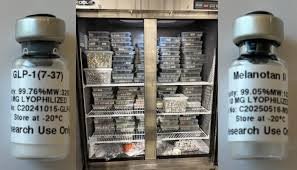
Why Proper Peptide Storage Matters
Peptides are chains of amino acids held together by delicate bonds. These bonds can degrade when exposed to:
-
heat
-
moisture
-
light
-
oxygen
-
bacteria
Improper storage can result in:
-
reduced peptide potency
-
unstable compounds
-
inconsistent research results
-
shortened shelf life
This is why peptide storage protocols are taken seriously in laboratory environments.
Understanding Lyophilized (Freeze-Dried) Peptides
Most research peptides are supplied in lyophilized (freeze-dried) form.
What this means:
-
Water has been removed
-
The peptide is more stable
-
Shelf life is longer
-
Storage is easier
Examples of peptides commonly supplied lyophilized include:
How to Store Lyophilized Peptides (Before Reconstitution)
✅
Ideal Storage Conditions
-
Temperature: 2–8°C (refrigerator)
-
Light exposure: minimal
-
Moisture: avoid completely
-
Container: sealed vial
✅
Best Practice
-
Store in original sealed vial
-
Keep desiccant intact
-
Avoid opening until ready to reconstitute
-
Do NOT expose to humid air
⭐
Shelf Life (Lyophilized)
When stored properly:
-
6–12 months refrigerated
-
12+ months frozen
Lyophilized peptides are extremely stable when stored correctly. how to store peptides.
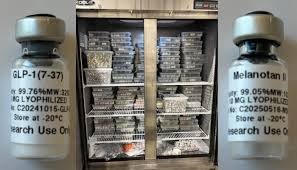
Can Lyophilized Peptides Be Frozen?
✅ Yes — freezing is acceptable and often recommended
Freezer storage guidelines:
-
Use airtight containers
-
Avoid frequent temperature cycling
-
Do not open vial while frozen
-
Label storage dates
Freezing is especially useful for long-term research storage.
How to Reconstitute Peptides (Research Context)
Most peptides are reconstituted using bacteriostatic water.
Why bacteriostatic water?
-
Reduces bacterial growth
-
Extends shelf life after mixing
-
Maintains sterility
General reconstitution steps:
-
Allow vial to reach room temperature
-
Slowly add bacteriostatic water
-
Do NOT shake vigorously
-
Gently swirl the vial
-
Store immediately after mixing
⚠️ Vigorous shaking can damage peptide structure. how to store peptides.
How to Store Reconstituted Peptides
Once a peptide is mixed with water, it becomes less stable.
✅
Ideal Storage (Reconstituted)
-
Temperature: 2–8°C (refrigerator)
-
Light: minimal
-
Time: limited
Typical shelf life:
-
7–14 days refrigerated
-
Some peptides remain stable longer depending on structure
Why Reconstituted Peptides Degrade Faster
Reconstituted peptides are exposed to:
-
water
-
air
-
bacteria
-
temperature variation
These factors accelerate degradation.
This is why researchers often:
-
reconstitute only what is needed
-
freeze unused aliquots
-
minimize vial openings
Should Reconstituted Peptides Be Frozen?
✅ In some research settings, yes
Best practice:
-
Freeze in small aliquots
-
Avoid repeated freeze-thaw cycles
-
Thaw once, use once
❌ Repeated thawing damages peptide bonds and reduces stability.
Common Peptide Storage Mistakes (Avoid These)
🚫 Storing at room temperature
🚫 Leaving vial exposed to light
🚫 Repeatedly opening the vial
🚫 Shaking aggressively
🚫 Using non-sterile water
🚫 Storing near heat sources
Any of these can reduce peptide effectiveness. how to store peptides.
Storage Tips for Popular Peptides
BPC-157
-
Highly stable lyophilized
-
Refrigerate after reconstitution
-
Protect from light
TB-500
-
Stable freeze-dried
-
Sensitive to heat when mixed
CJC-1295
-
Stable refrigerated
-
Avoid repeated temperature cycling
Ipamorelin
-
Refrigerate immediately after mixing
-
Sensitive to contamination
How Light Affects Peptides
UV light can break peptide bonds.
✅ Store peptides:
-
In dark vials
-
In opaque containers
-
Away from sunlight
This is critical for long-term stability.
Labeling & Organization (Often Overlooked)
Best practice includes labeling:
-
peptide name
-
concentration
-
reconstitution date
-
storage temperature
Clear labeling improves research accuracy.
How Long Do Peptides Last? (General Guide)
|
Form |
Refrigerated |
Frozen |
|---|---|---|
|
Lyophilized |
6–12 months |
12+ months |
|
Reconstituted |
7–14 days |
1–3 months (aliquoted) |
Actual stability varies by peptide.
Frequently Asked Questions
1. Can peptides be stored at room temperature?
No — long-term room temperature storage leads to degradation.
2. Is freezing peptides safe?
Yes — especially lyophilized peptides.
3. What water should be used for peptides?
Bacteriostatic water is standard in research.
4. Does light destroy peptides?
Extended light exposure can degrade peptides.
5. How long do reconstituted peptides last?
Typically 7–14 days when refrigerated. how to store peptides.
Conclusion — Proper Storage Preserves Peptide Quality
Correct peptide storage ensures:
-
compound stability
-
reliable research results
-
maximum shelf life
-
reduced waste
By following proper storage protocols, researchers maintain consistency and protect peptide integrity throughout experimental use.
When combined with high-quality peptides and correct handling, proper storage is a critical pillar of successful peptide research. how to store peptides.