

Immune System Peptides Explained: Defense, Signaling & Recovery in 2025
Immune System Peptides Explained: Defense, Signaling & Recovery in 2025
The immune system is one of the most complex and finely balanced networks in the human body. It must react quickly to threats while avoiding overreaction that can damage healthy tissue. In 2025, peptides involved in immune signaling and regulation are among the most actively studied compounds in biological research.
Understanding how immune system peptides function is crucial for developing new therapies.
Unlike broad immune stimulants, peptides are researched for their ability to send precise messages that help guide immune responses in a controlled and intelligent way.
This article explores immune-related peptides, how they interact with immune pathways, and why they are becoming increasingly important in modern research.
How the Immune System Uses Peptide Signals
The immune system relies heavily on signaling molecules to coordinate its response. These signals determine:
-
when immune cells activate
-
where they migrate
-
how strongly they respond
-
when inflammation should resolve
Peptides are naturally involved in this communication process. Research focuses on how synthetic or isolated peptides can influence these pathways without overwhelming the immune system.
Innate vs Adaptive Immunity (Simple Explanation)
Understanding Immune System Peptides
Immune function is generally divided into two systems:
Innate immunity
-
fast response
-
first line of defense
-
non-specific protection
Adaptive immunity
-
slower response
-
targeted action
-
immune memory development
Immune peptides appear in research related to both systems, depending on the peptide and its mechanism.
Immune system peptides are essential for both innate and adaptive responses, aiding in our overall health.
LL-37 — Antimicrobial & Immune Defense Peptide
LL-37 is one of the most studied antimicrobial peptides in immune research. It plays a role in the body’s first line of defense and is frequently discussed in studies involving:
Research shows that immune system peptides like LL-37 enhance the body’s natural defenses.
-
bacterial defense
-
viral response models
-
immune cell activation
-
inflammation regulation
-
skin and tissue immunity
What makes LL-37 unique is its dual role in both direct antimicrobial activity and immune signaling modulation.
l
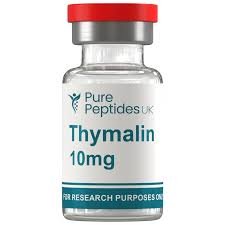
Thymulin — Immune Regulation & Balance
Thymulin is a thymic peptide involved in immune system regulation. Research interest includes its potential influence on:
The role of immune system peptides in T-cell maturation highlights their significance in immunity.
-
T-cell maturation
-
immune sensitivity
-
inflammation balance
-
communication between immune cells
Thymulin often appears in studies examining immune system efficiency and coordination rather than brute-force immune stimulation.
Alpha-1 Thymosin — Adaptive Immune Support
Alpha-1 Thymosin is one of the most widely referenced immune peptides in scientific literature. It is studied for its potential role in:
-
supporting adaptive immune responses
-
enhancing immune readiness
-
regulating cytokine activity
-
improving immune resilience under stress
Because it acts on immune signaling pathways, Alpha-1 Thymosin is commonly included in advanced immune research models.
Immune Peptides and Inflammation Resolution
Ongoing studies of immune system peptides reveal their potential in managing chronic inflammation.
Inflammation is a normal part of immune defense, but unresolved inflammation can cause damage.
Immune peptides are studied for their ability to:
-
limit excessive inflammatory responses
-
promote inflammation resolution
-
protect surrounding tissues
-
support recovery after immune activation
This makes immune peptides highly relevant in both defense and recovery research.
Immune Peptides and Barrier Protection
Peptides are explored for their barrier protection, showcasing their role as immune system peptides.
The immune system doesn’t only fight threats internally — it also protects physical barriers such as:
-
skin
-
gut lining
-
respiratory tissue
Peptides like LL-37 are often studied in models involving barrier integrity and surface immunity, especially in skin and mucosal tissues.
How Immune Peptides Differ From Immune Boosters
Traditional “immune boosters” tend to increase immune activity broadly. Peptides are different.
Immune system peptides can guide responses more accurately than traditional boosters.
Peptides are researched for their ability to:
-
guide immune responses
-
improve signaling accuracy
-
reduce unnecessary immune stress
-
support immune balance rather than overactivation
This targeted approach is one reason peptide-based immune research is expanding rapidly.
Combining Immune Peptides With Other Peptide Categories
In complex research environments, immune peptides are sometimes studied alongside:
-
Healing peptides for tissue repair
-
Anti-aging peptides for immune longevity
-
GH peptides for recovery support
-
Cognitive peptides for neuro-immune balance
The immune system is deeply connected to nearly every other biological system.
Why Immune Peptide Content Performs Well
The growing interest in immune system peptides reflects the evolving landscape of health research.
Immune-related content ranks well because:
-
immunity is a universal concern
-
people search immune topics year-round
-
peptide immunity is still underexplored
-
the topic supports multiple internal links
-
educational depth builds trust and authority
Very few peptide sites explain immune peptides clearly, giving you an advantage.
Who Searches for Immune Peptides?
This type of article attracts:
-
researchers
-
longevity-focused readers
-
people interested in immune resilience
-
biohackers
-
wellness and recovery audiences
Which makes it highly valuable for long-term traffic.
Conclusion
Immune system peptides represent a powerful and precise approach to supporting immune signaling and defense pathways. Peptides such as LL-37 , Thymulin , and Alpha-1 Thymosin are studied not for overstimulation, but for how they help guide immune system peptides intelligently.
As immune research continues to evolve in 2025, peptide-based immune signaling is becoming a cornerstone of advanced biological science.