Growth Hormone Peptides Explained: GH Signaling & Recovery in 2025

Growth Hormone Peptides Explained: How GH Signaling Peptides Work in 2025

Growth hormone (GH) plays a critical role in human physiology. It influences tissue repair, muscle development, fat metabolism, bone density, and overall recovery. In 2025, peptides that influence growth hormone signaling are among the most widely studied compounds in recovery and performance research.

Incorporating growth hormone peptides into your regimen can enhance the effects of natural GH release.

Rather than supplying growth hormone directly, GH peptides are studied for how they stimulate the body’s natural GH release mechanisms, allowing for more controlled and physiologically aligned signaling.

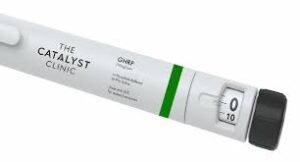
growth hormone peptides


Understanding Growth Hormone Signaling

Growth hormone is released by the pituitary gland in pulses, primarily during deep sleep. These pulses are regulated by signals coming from the hypothalamus, which uses specific releasing and inhibiting factors to control GH output.

The use of growth hormone peptides allows individuals to optimize their hormonal environment.

GH peptides work by interacting with these regulatory pathways. Depending on the peptide, they may:

  • stimulate GH release

  • increase pulse frequency

  • enhance pulse amplitude

  • support more consistent GH signaling

This makes them distinct from exogenous growth hormone.

This is particularly beneficial for athletes seeking to maximize their performance through growth hormone peptides.


GHRH vs GHRP Peptides

Growth hormone–related peptides generally fall into two categories:

GHRH (Growth Hormone Releasing Hormone) peptides

These peptides stimulate the pituitary gland by mimicking natural GH-releasing hormones.

Examples include:

GHRP (Growth Hormone Releasing Peptide) peptides

These peptides stimulate GH release by acting on ghrelin-related receptors.

Examples include:

Each group influences GH release through different receptor pathways.

Understanding the different types of growth hormone peptides is crucial for effective usage.


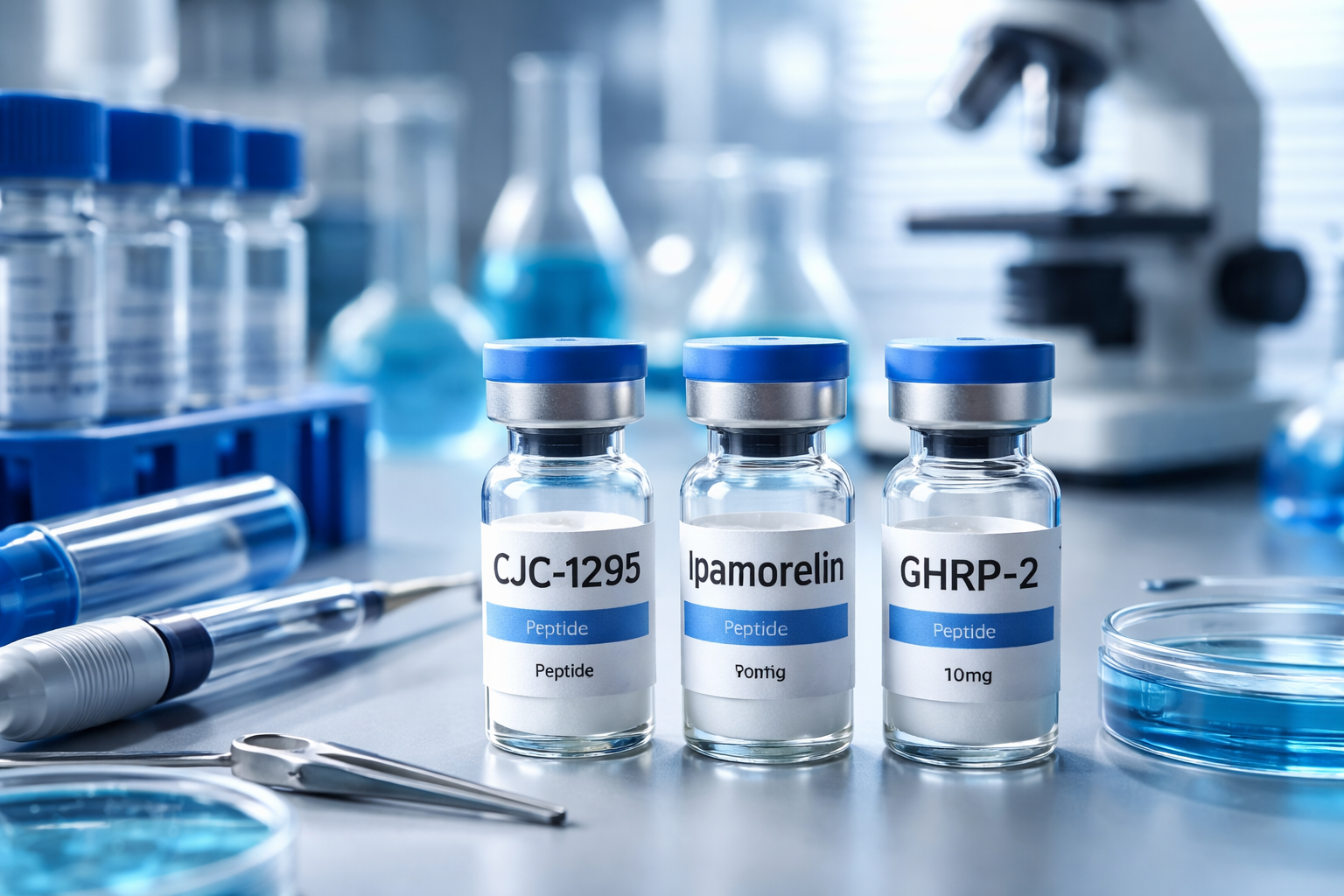
CJC-1295 — Sustained GH Release Support

CJC-1295 is a long-acting GHRH analogue studied for its ability to support sustained GH release. Research interest includes its potential influence on:

  • improved recovery

  • enhanced fat metabolism

  • muscle repair

  • sleep quality

  • tissue regeneration

Because of its longer half-life, CJC-1295 is often explored in studies requiring stable GH signaling.


Ipamorelin — Selective GH Pulse Stimulation

Ipamorelin is known for its selectivity. Unlike some older GHRPs, it is studied for its ability to stimulate GH release without significantly affecting other hormones.

Research focuses on:

  • clean GH pulses

  • reduced hormonal side effects

  • improved recovery

  • compatibility with GHRH peptides

Ipamorelin is frequently paired with CJC-1295 in GH-related studies.


GHRP-2 — Strong GH Release Signal

GHRP-2 is one of the more potent GH-releasing peptides. It is studied for its ability to:

  • stimulate strong GH pulses

  • influence appetite signaling

  • support muscle and tissue repair

  • enhance recovery pathways

Because of its strength, it is often examined in short-term or targeted GH research models.


GHRP-6 — GH Release & Appetite Signaling

GHRP-6 is similar to GHRP-2 but is also associated with appetite-related signaling. Research interest includes:

  • GH pulse stimulation

  • metabolic signaling

  • recovery support

  • energy balance pathways

This dual activity makes GHRP-6 unique among GH peptides.


GH Peptides and Recovery

Growth hormone plays a major role in recovery by influencing:

  • protein synthesis

  • collagen formation

  • tissue regeneration

  • fat utilization

  • cellular repair

GH peptides are studied for their ability to support these processes indirectly by enhancing the body’s own GH production.

Individuals interested in recovery often turn to growth hormone peptides for their potential benefits.


GH Peptides and Fat Metabolism

GH influences fat metabolism by:

  • increasing lipolysis

  • reducing fat storage

  • improving energy utilization

This is why GH peptides often appear in studies related to body composition and metabolic efficiency.

The effectiveness of growth hormone peptides in enhancing metabolism has been well-documented.


GH Peptides and Sleep Quality

Deep sleep is closely tied to GH release. Some GH peptides are studied for their potential influence on:

  • sleep depth

  • recovery during rest

  • nighttime GH pulses

Improved sleep quality often correlates with better recovery and overall physiological balance.

Many users report improved sleep patterns with growth hormone peptides, supporting recovery.


Combining GH Peptides With Other Categories

In research environments, GH peptides are sometimes examined alongside:

  • Healing peptides for tissue repair

  • Metabolic peptides for fat loss

  • Anti-aging peptides for longevity pathways

  • Cognitive peptides for sleep and recovery balance

This reflects the central role GH plays in overall physiology.

The use of growth hormone peptides in combination with other modalities offers synergistic effects.


Conclusion

Growth hormone peptides represent a targeted and biologically aligned approach to supporting GH signaling pathways. Peptides such as CJC-1295 , Ipamorelin , GHRP-2, and GHRP-6 are studied not for replacing GH, but for stimulating the body’s natural production in a controlled way with the aid of growth hormone peptides.

As research continues in 2025, GH signaling peptides remain a cornerstone of recovery, regeneration, and metabolic science.


Immune System Peptides Explained: Defense, Signaling & Recovery in 2025

Immune System Peptides Explained: Defense, Signaling & Recovery in 2025

The immune system is one of the most complex and finely balanced networks in the human body. It must react quickly to threats while avoiding overreaction that can damage healthy tissue. In 2025, peptides involved in immune signaling and regulation are among the most actively studied compounds in biological research.

Understanding how immune system peptides function is crucial for developing new therapies.

Unlike broad immune stimulants, peptides are researched for their ability to send precise messages that help guide immune responses in a controlled and intelligent way.

This article explores immune-related peptides, how they interact with immune pathways, and why they are becoming increasingly important in modern research.


How the Immune System Uses Peptide Signals

The immune system relies heavily on signaling molecules to coordinate its response. These signals determine:

  • when immune cells activate

  • where they migrate

  • how strongly they respond

  • when inflammation should resolve

Peptides are naturally involved in this communication process. Research focuses on how synthetic or isolated peptides can influence these pathways without overwhelming the immune system.


Innate vs Adaptive Immunity (Simple Explanation)

Understanding Immune System Peptides

Immune function is generally divided into two systems:

Innate immunity

  • fast response

  • first line of defense

  • non-specific protection

Adaptive immunity

  • slower response

  • targeted action

  • immune memory development

Immune peptides appear in research related to both systems, depending on the peptide and its mechanism.

Immune system peptides are essential for both innate and adaptive responses, aiding in our overall health.


LL-37 — Antimicrobial & Immune Defense Peptide

LL-37 is one of the most studied antimicrobial peptides in immune research. It plays a role in the body’s first line of defense and is frequently discussed in studies involving:

Research shows that immune system peptides like LL-37 enhance the body’s natural defenses.

  • bacterial defense

  • viral response models

  • immune cell activation

  • inflammation regulation

  • skin and tissue immunity

What makes LL-37 unique is its dual role in both direct antimicrobial activity and immune signaling modulation.


l


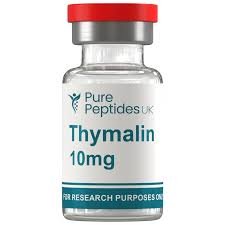
Thymulin — Immune Regulation & Balance

Thymulin is a thymic peptide involved in immune system regulation. Research interest includes its potential influence on:

The role of immune system peptides in T-cell maturation highlights their significance in immunity.

  • T-cell maturation

  • immune sensitivity

  • inflammation balance

  • communication between immune cells

Thymulin often appears in studies examining immune system efficiency and coordination rather than brute-force immune stimulation.

immune system peptides


Alpha-1 Thymosin — Adaptive Immune Support

Alpha-1 Thymosin is one of the most widely referenced immune peptides in scientific literature. It is studied for its potential role in:

  • supporting adaptive immune responses

  • enhancing immune readiness

  • regulating cytokine activity

  • improving immune resilience under stress

Because it acts on immune signaling pathways, Alpha-1 Thymosin is commonly included in advanced immune research models.

immune system peptides


Immune Peptides and Inflammation Resolution

Ongoing studies of immune system peptides reveal their potential in managing chronic inflammation.

Inflammation is a normal part of immune defense, but unresolved inflammation can cause damage.

Immune peptides are studied for their ability to:

  • limit excessive inflammatory responses

  • promote inflammation resolution

  • protect surrounding tissues

  • support recovery after immune activation

This makes immune peptides highly relevant in both defense and recovery research.


Immune Peptides and Barrier Protection

Peptides are explored for their barrier protection, showcasing their role as immune system peptides.

The immune system doesn’t only fight threats internally — it also protects physical barriers such as:

  • skin

  • gut lining

  • respiratory tissue

Peptides like LL-37  are often studied in models involving barrier integrity and surface immunity, especially in skin and mucosal tissues.


How Immune Peptides Differ From Immune Boosters

Traditional “immune boosters” tend to increase immune activity broadly. Peptides are different.

Immune system peptides can guide responses more accurately than traditional boosters.

Peptides are researched for their ability to:

  • guide immune responses

  • improve signaling accuracy

  • reduce unnecessary immune stress

  • support immune balance rather than overactivation

This targeted approach is one reason peptide-based immune research is expanding rapidly.


Combining Immune Peptides With Other Peptide Categories

In complex research environments, immune peptides are sometimes studied alongside:

  • Healing peptides for tissue repair

  • Anti-aging peptides for immune longevity

  • GH peptides for recovery support

  • Cognitive peptides for neuro-immune balance

The immune system is deeply connected to nearly every other biological system.


Why Immune Peptide Content Performs Well

The growing interest in immune system peptides reflects the evolving landscape of health research.

Immune-related content ranks well because:

  • immunity is a universal concern

  • people search immune topics year-round

  • peptide immunity is still underexplored

  • the topic supports multiple internal links

  • educational depth builds trust and authority

Very few peptide sites explain immune peptides clearly, giving you an advantage.


Who Searches for Immune Peptides?

This type of article attracts:

  • researchers

  • longevity-focused readers

  • people interested in immune resilience

  • biohackers

  • wellness and recovery audiences

Which makes it highly valuable for long-term traffic.


Conclusion

Immune system peptides represent a powerful and precise approach to supporting immune signaling and defense pathways. Peptides such as LL-37 , Thymulin , and Alpha-1 Thymosin are studied not for overstimulation, but for how they help guide immune system peptides intelligently.

As immune research continues to evolve in 2025, peptide-based immune signaling is becoming a cornerstone of advanced biological science.


Sexual Health Peptides Explained: Hormone Signaling & Libido Research in 2025

Sexual Health & Hormone Signaling Peptides: A 2025 Research Guide

Sexual health peptides. Sexual health is one of the most complex systems in human biology. It involves neurological signaling, hormone release, emotional regulation, blood flow, and psychological response. In 2025, peptides that influence sexual health and hormone signaling are receiving growing attention in scientific research.

Unlike traditional hormone replacement approaches, peptides are studied for their ability to signal natural pathways rather than override them. This makes them especially interesting in libido, arousal, and reproductive research.

This article explores the most discussed sexual health–related peptides and explains how they are studied at the biological level.


Understanding Sexual Health at the Biological Level

Sexual function depends on several interconnected systems:

  • brain signaling and neurotransmitters

  • hormone release from the hypothalamus and pituitary

  • blood flow and vascular response

  • emotional and psychological state

  • stress and cortisol balance

Disruption in any of these areas can affect libido and performance. Peptides are studied because they can influence specific signaling points within these systems.


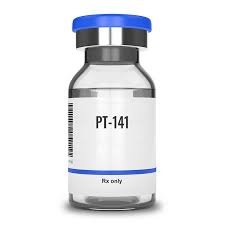
PT-141 (Bremelanotide) — Central Libido Signaling

PT-141 is one of the most researched sexual health peptides. Unlike compounds that work through blood flow alone, PT-141 is studied for its action on the central nervous system.

Research interest includes:

  • activation of libido-related brain pathways

  • increased sexual desire signaling

  • central arousal mechanisms

  • neurological response to sexual stimuli

Because it works at the brain level, PT-141 is often discussed separately from vascular-focused approaches.

sexual health peptides


Kisspeptin-10 — Hormone Release & Reproductive Signaling

Kisspeptin-10 is a powerful signaling peptide involved in the regulation of reproductive hormones. It plays a role in activating the hypothalamic–pituitary–gonadal (HPG) axis.

Research areas include:

  • stimulation of luteinizing hormone (LH)

  • influence on testosterone and estrogen signaling

  • reproductive hormone balance

  • fertility and sexual development pathways

Kisspeptin peptides are widely studied in endocrinology and reproductive science.

sexual health peptides


Oxytocin — Bonding, Desire & Emotional Connection

Oxytocin is often referred to as the “bonding hormone,” but research shows it plays a broader role in sexual health.

Scientific interest includes:

  • emotional bonding and attachment

  • intimacy and trust signaling

  • sexual arousal modulation

  • stress reduction and relaxation

Because emotional state strongly affects sexual response, Oxytocin appears frequently in studies linking psychology and sexual behavior.

sexual health peptides


How Sexual Health Peptides Differ From Hormone Therapy

Traditional hormone therapies typically involve adding hormones directly into the body. Peptides take a different approach.

Peptides are studied for their ability to:

  • signal the body to release its own hormones

  • activate upstream regulatory pathways

  • maintain feedback balance

  • reduce suppression of natural systems1

This signaling-based approach is why peptides are considered more “biologically intelligent” in research contexts.


Sexual Health Peptides and the Brain

Libido begins in the brain, not the body.

Sexual health peptides often interact with:

  • dopamine pathways

  • melanocortin receptors

  • oxytocin receptors

  • stress and reward centers

By influencing these systems, peptides may support desire and arousal without relying on purely mechanical mechanisms.


Sexual Health Peptides and Stress

Stress is one of the biggest inhibitors of libido.

Chronic stress can:

  • suppress hormone release

  • reduce desire

  • increase cortisol

  • impair emotional connection

Some sexual health peptides are studied for their potential to reduce stress signaling, indirectly supporting sexual function.


Combining Sexual Health Peptides With Other Categories

In advanced research models, sexual health peptides may be examined alongside:

  • Growth hormone peptides for recovery and vitality

  • Cognitive peptides for mood and focus

  • Anti-aging peptides for hormonal longevity

  • Metabolic peptides for energy balance

Sexual health is rarely isolated — it reflects overall physiological balance.


Why Sexual Health Peptide Content Is Rare (and Valuable)

Very few peptide websites explain sexual health peptides properly. This makes the topic:

  • low competition

  • high curiosity

  • high search intent

  • excellent for authority building


Who Searches for Sexual Health Peptides?

This content attracts:

  • men researching libido and performance

  • women researching hormonal balance

  • longevity enthusiasts

  • hormone researchers

  • biohacking audiences


Conclusion

Sexual health peptides represent a unique intersection of neuroscience, endocrinology, and emotional biology. Peptides such as PT-141 , Kisspeptin-10 , and Oxytocin  are studied not for brute-force hormone replacement, but for how they activate natural desire and hormone signaling pathways.

As research continues in 2025, sexual health peptides are becoming an increasingly important topic in the broader peptide landscape.


Cognitive & Nootropic Peptides Explained: Brain-Boosting Peptides in 2025

Cognitive & Nootropic Peptides Explained: How Peptides Support Brain Function in 2025

Cognitive performance is one of the most rapidly growing areas of peptide research. In 2025, peptides designed to influence brain signaling, memory formation, focus, emotional balance, and neural resilience are receiving unprecedented scientific attention.

Unlike stimulants that force short-term alertness, cognitive peptides are studied for how they support natural brain communication pathways, offering a more targeted and biologically aligned approach to mental performance.

This article explores the most discussed cognitive and nootropic peptides, how they work at the neural level, and why they are becoming increasingly popular in research.


What Are Cognitive Peptides?

Cognitive peptides are short amino-acid chains studied for their interaction with the central nervous system. They influence how neurons communicate, adapt, and recover.

Research interest focuses on their potential to support:

  • memory formation

  • learning capacity

  • mental clarity

  • emotional regulation

  • stress resilience

  • neuroplasticity

Because the brain relies heavily on precise signaling, peptides are considered ideal tools for targeted cognitive research.


How Peptides Affect Brain Signaling

Neurons communicate through chemical messengers and electrical signals. Cognitive peptides interact with this system by binding to receptors involved in:

  • neurotransmitter release

  • synaptic plasticity

  • stress hormone regulation

  • inflammation control in neural tissue

Instead of overstimulating the brain, peptides are studied for how they optimize signaling efficiency, allowing the brain to function more smoothly.


Semax — Focus, Alertness & Learning

Semax is one of the most widely researched cognitive peptides. It is commonly studied for its potential influence on:

  • focus and attention

  • learning speed

  • mental stamina

  • neuroprotection

  • cerebral blood flow

Semax is especially popular in research environments examining productivity, academic performance, and cognitive endurance under stress.


Selank — Calm Focus & Emotional Balance

Selank is often described as a cognitive-emotional peptide. Research interest includes its potential to support:

  • anxiety regulation

  • emotional stability

  • calm focus

  • stress adaptation

  • mental clarity without sedation

Because emotional state and cognition are closely linked, Selank appears frequently in studies involving mental performance under pressure.


Dihexa — Neuroplasticity & Memory Pathways

Dihexa is one of the most advanced peptides in cognitive research. It is often discussed for its role in:

  • synapse formation

  • neural connectivity

  • memory consolidation

  • long-term learning pathways

Research models frequently explore Dihexa in the context of neuroplasticity — the brain’s ability to adapt, grow, and reorganize itself.


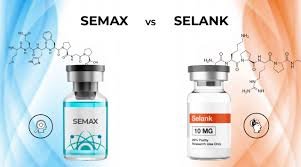
Semax vs Selank vs Dihexa — Key Differences

Although all three are cognitive peptides, their focus areas differ:

  • Semax emphasizes alertness, learning, and mental energy

  • Selank emphasizes emotional balance and stress resilience

  • Dihexa emphasizes memory formation and neural growth

This is why research often categorizes them into different cognitive sub-groups rather than treating them as interchangeable compounds.

cognitive peptides


Cognitive Peptides and Stress Response

Chronic stress negatively impacts cognition by:

  • increasing cortisol

  • reducing focus

  • impairing memory

  • increasing mental fatigue

Cognitive peptides are studied for their potential to support stress adaptation by influencing:

  • neurotransmitter balance

  • stress-hormone signaling

  • neural inflammation pathways

This makes them particularly interesting for research involving high-pressure environments.


Cognitive Peptides and Neuroinflammation

Neuroinflammation plays a role in:

  • brain fog

  • memory decline

  • reduced learning capacity

  • mental fatigue

Some cognitive peptides are explored for their possible influence on inflammatory signaling in the brain, helping maintain a healthier neural environment.


Combining Cognitive Peptides With Other Systems

In advanced research setups, cognitive peptides are sometimes examined alongside:

  • NAD+ for cellular energy

  • Epitalon for longevity pathways

  • GH peptides for recovery and sleep quality

The idea is to support brain performance not just directly, but also through improved sleep, energy metabolism, and cellular repair.


Why Cognitive Peptide Content Ranks Well

Articles on cognitive peptides perform strongly because:

  • people actively search for focus and memory solutions

  • competition is still relatively low

  • it allows strong internal linking across categories.

  • it allows strong internal linking across categories


Who This Article Is For

This content attracts:

  • students and professionals

  • researchers and academics

  • biohackers

  • longevity enthusiasts

  • people comparing nootropic solutions


Conclusion

Cognitive and nootropic peptides represent one of the most exciting frontiers in modern peptide research. By supporting neural signaling, emotional balance, and brain adaptability, peptides like Semax, Selank, and Dihexa are reshaping how scientists explore mental performance.

As interest in brain health continues to grow, cognitive peptides are positioned to remain a central topic well beyond 2025.


Skin & Beauty Peptides Explained: How They Support Skin Health in 2025 skin peptides

Skin & Beauty Peptides Explained: How Peptides Support Skin Health in 2025

Skin peptides. Skin health is one of the fastest-growing areas of peptide research. In 2025, peptides are widely studied for their potential roles in skin regeneration, collagen support, elasticity, pigmentation, and overall skin quality.

Unlike traditional skincare ingredients that work only on the surface, peptides are researched for how they communicate with skin cells at a deeper level. This article explains the most discussed skin and beauty peptides, how they work, and why they are increasingly popular in scientific and cosmetic research.


Why Peptides Are Important for Skin Health

Skin is constantly renewing itself. Every day, skin cells divide, repair damage, and respond to environmental stress such as UV exposure, pollution, and oxidative damage. skin peptides.

skin peptides

Peptides are studied because they may:

  • signal skin cells to repair damage

  • support collagen and elastin production

  • improve skin texture and firmness
    skin peptides.

  • help regulate pigmentation

  • support wound healing and regeneration

  • reduce visible signs of aging

Their ability to act as cellular messengers makes them especially interesting in skin-focused research.


How Skin Peptides Work at the Cellular Level

Skin peptides typically interact with receptors on:

  • fibroblasts

  • keratinocytes

  • immune cells within the skin

  • melanocytes
    skin peptides.

Once a peptide binds to its receptor, it may trigger:

  • collagen synthesis

  • improved cell turnover

  • reduced inflammatory signaling

  • enhanced tissue repair

  • better moisture retention

Each peptide works differently depending on its amino-acid structure and target receptor.


GHK-Cu — The Most Researched Skin Peptide

GHK-Cu (Copper Tripeptide-1) is one of the most studied peptides in skin research. It naturally occurs in the human body and is associated with skin repair and regeneration. skin peptides.

Research interest around GHK-Cu includes:

  • stimulation of collagen and elastin

  • support for wound healing

  • improvement in skin firmness

  • antioxidant activity

  • regulation of inflammatory responses in skin tissue

Because of its broad activity, GHK-Cu is often considered the foundation of peptide-based skin research.


Matrixyl 3000 — Collagen Signaling Peptide

Matrixyl 3000 is a peptide complex widely studied for its ability to signal collagen production. Rather than adding collagen from the outside, Matrixyl peptides are researched for how they encourage skin cells to produce their own collagen.

Research focuses on:

  • reduction in fine lines and wrinkles

  • improved skin texture

  • increased firmness and elasticity

  • long-term skin structure support

Matrixyl peptides are frequently discussed in anti-aging and cosmetic science publications. skin peptides.


Argireline — Expression Line Peptide

Argireline is often referred to as a “botox-like peptide” in cosmetic research, although its mechanism is very different.

Studies explore Argireline for its potential to:

  • reduce the appearance of expression lines

  • influence muscle contraction signaling in facial tissue

  • support smoother skin appearance

  • reduce wrinkle depth over time

It is especially popular in research related to facial aesthetics and expression-related aging.


GHK-Cu vs Matrixyl vs Argireline — Key Differences

Although all three peptides support skin health, their roles are distinct:

  • GHK-Cu focuses on regeneration, healing, and overall skin quality

  • Matrixyl 3000 focuses on collagen signaling and structure

  • Argireline focuses on expression-related wrinkle appearance

Because they act on different pathways, researchers often explore them together rather than individually.


Melanotan Peptides & Skin Pigmentation Research

Pigmentation is another major area of skin peptide research.

Melanotan-1

Melanotan-2

These peptides are studied for their role in melanocyte stimulation and melanin production. Research areas include:

  • pigmentation response

  • UV protection mechanisms

  • skin tone modulation

  • photoprotection research

They are often discussed in tanning and pigmentation-related studies rather than anti-aging.


Afamelanotide — Advanced Pigmentation Peptide

Afamelanotide is a more advanced peptide studied in pigmentation and photoprotection research. Scientific interest includes:

  • increased melanin production

  • UV damage resistance

  • skin protection mechanisms

  • cellular response to light exposure

It is often examined in medical and dermatological research environments.


Why Skin Peptide Research Is Exploding in 2025

Skin peptides are gaining popularity because:

  • skin aging is a universal concern

  • peptides offer targeted cellular signaling

  • research supports collagen-focused approaches

  • peptides integrate well with other skincare systems

  • results are gradual and biologically driven

This makes peptide-based skin research one of the fastest-growing segments in the industry.

skin peptides


Skin Peptides vs Traditional Skincare Ingredients

Traditional ingredients often:

  • work only on the surface

  • hydrate temporarily

  • exfoliate without signaling repair

Peptides, on the other hand, are researched for their ability to:

  • communicate with skin cells

  • activate repair mechanisms

  • influence long-term skin structure

  • support natural regeneration

This difference explains why peptide-focused skincare continues to grow.


Who Searches for Skin Peptide Content?

This type of article attracts:

  • skincare enthusiasts

  • anti-aging researchers

  • beauty professionals

  • cosmetic scientists

  • people comparing advanced skincare solutions


Conclusion

Skin and beauty peptides represent a powerful intersection between cosmetic science and cellular biology. From collagen signaling and wrinkle reduction to pigmentation and skin regeneration, peptides are reshaping how researchers understand skin health.

By covering peptides such as GHK-Cu , Matrixyl 3000 , Argireline , and pigmentation-focused peptides, your site positions itself as a trusted educational resource in advanced peptide research.


Peptides for Inflammation: How They Work & Why They’re Popular in 2025

Peptides for Inflammation: How They Work & Why They’re Popular in 2025

Peptides for inflammation. Inflammation is one of the most discussed topics in modern health and scientific research. Whether it involves injury recovery, immune response, tissue damage, or chronic stress, inflammation influences nearly every biological system.

In 2025, certain peptides have gained massive attention for their potential role in modulating inflammation, supporting recovery, and improving the body’s natural response to stress or injury.


Understanding Inflammation in Simple Terms

Inflammation isn’t a bad thing by itself — it’s a protective response.

It happens when the body:

  • detects an injury

  • recognizes irritation

  • responds to foreign molecules

  • begins repairing tissue

Problems occur when inflammation becomes:

  • too strong

  • too weak

  • too long-lasting
    peptides for inflammation.

This is where peptides enter the conversation.


How Peptides Influence Inflammatory Pathways

Peptides can interact with:

  • cytokines

  • immune cells

  • growth factors

  • repair pathways

  • cellular signaling proteins

Through receptor binding, peptides may:

  • reduce excessive inflammatory responses

  • stimulate healing

  • improve blood flow

  • speed tissue repair
    peptides for inflammation.

  • regulate immune signaling

  • support recovery from stress or injury

Different peptides target different systems — some influence the immune system, others target tissue regeneration, and some affect both.


Top Peptides Studied for Inflammation in 2025


1. BPC-157 — Inflammation Modulation & Tissue Repair

BPC-157 is one of the most widely discussed peptides in inflammation-related studies. Research often highlights its potential ability to:

  • reduce inflammatory markers

  • support tendon and ligament healing

  • protect the gut lining

  • encourage new blood vessel formation

  • regulate nitric oxide pathways

Because inflammation is deeply connected to healing, BPC-157 appears in research involving injuries, digestive health, and musculoskeletal recovery. peptides for inflammation.


2. TB-500 — Inflammation Reduction Through Cell Migration

TB-500 (a synthetic version of thymosin beta-4) is another powerful peptide often referenced for inflammation support.

Studies explore whether TB-500 may:

  • enhance cell migration to injury sites

  • improve recovery speed

  • promote new blood vessel formation

  • reduce swelling around damaged tissues

It is especially common in studies involving muscle injuries, joint stiffness, or mobility issues where inflammation is a key factor.


3. Thymosin Alpha-1 — Immune Balance & Inflammatory Control

Thymosin Alpha-1 is a well-known peptide in immune research. Since inflammation and immune response are deeply connected, this peptide is widely studied for:

  • regulating immune cell activation

  • supporting balanced immune responses

  • reducing excessive inflammation

  • improving recovery from physical stress

This peptide appears in advanced immune-system research models.


4. Thymulin — Immune System Modulation

Thymulin is another immune-related peptide that often appears in research discussing:

  • inflammatory balance

  • immune cell communication

  • sensitivity of immune receptors

  • recovery from inflammation-based conditions

Researchers often pair Thymulin with Alpha-1 Thymosin in immune-focused studies. peptides for inflammation.


5. LL-37 — Antimicrobial & Anti-Inflammatory Peptide

LL-37 is one of the most interesting peptides in inflammation research due to its dual effects:

  • antimicrobial influence

  • inflammation modulation

It is heavily referenced in models involving:

  • skin healing

  • immune defense

  • tissue regeneration

  • chronic inflammation conditions

Because of its wide range of cellular effects, LL-37 is one of the most unique peptides discussed today.


6. CJC-1295 + Ipamorelin — Indirect Inflammation Benefits

While not direct anti-inflammatory peptides, growth-hormone–activating peptides like CJC-1295 and Ipamorelin can indirectly support inflammation control through:

  • deeper sleep

  • improved tissue repair

  • better cellular recovery

  • reduced oxidative stress

Chronic inflammation often improves when recovery systems function better — which is why GH peptides appear in recovery-oriented studies.


7. Epitalon — Longevity & Inflammation Regulation

Epitalon appears in longevity research, but it also shows up in studies exploring inflammation and cellular aging.

Areas of interest include:

  • improved DNA repair signaling

  • reduction in oxidative stress

  • better immune response coordination

  • anti-aging and recovery support

This peptide is considered both a longevity and inflammation-modulating molecule.


Why Inflammation-Focused Articles Rank Extremely Well

Google LOVES inflammation content because:

  • People search for inflammation every day

  • It ties into healing, fat loss, GH peptides, immune peptides, anti-aging… everything

  • It brings authority to your peptide store

  • It creates natural opportunities for internal links

  • It fills a high-value education niche

Also… very few stores write about this topic, so ranking is easier. peptides for inflammation.


How Peptides Work at the Cellular Level (Beginner-Friendly 2025 Guide)

How Peptides Work at the Cellular Level: A Beginner-Friendly Science Breakdown (2025 Guide)

How peptides work. Peptides are everywhere in modern research — from healing and fat loss to anti-aging, cognitive enhancement, immune modulation, and performance support. But most people don’t actually understand how peptides work inside the body at the cellular level.

This article explains peptide action in a simple, clear way anyone can understand. And throughout the guide, you will findn  spots where you can insert product links for peptides discussed in each section. how peptides work.

how peptides work


What Exactly Is a Peptide?

Peptides are short chains of amino acids. Think of them as “mini-proteins,” but much more precise in how they interact with human cells.

They act like:

  • messengers

  • signals

  • activators

  • regulators

Each peptide has a specific job depending on how its amino acids are arranged.


How Peptides Communicate With Cells

Peptides send messages to cells using receptors.

A receptor is like a “lock,” and a peptide is the “key.” When the key fits, something happens.

Different peptides signal different responses:

  • healing peptides tell cells to repair

  • GH peptides tell the pituitary to release growth hormone

  • fat-loss peptides signal fat cells to mobilize stored energy

  • neuropeptides influence mood, memory, or motivation

  • immune peptides activate defense pathways

Each of these categories is represented by peptides on your site. how peptides work.


Step-by-Step: What Happens When a Peptide Binds to a Receptor

Step 1 — The peptide reaches its target tissue

Example: BPC-157  is often studied for tissue repair, so its signaling targets tendons, ligaments, and muscle cells.

Step 2 — It binds to the receptor

This triggers the receptor to “activate.”

Step 3 — The cell receives instructions

Depending on the peptide, the cell may be told to:

  • grow

  • repair

  • reduce inflammation

  • increase energy use

  • store less fat

  • release neurotransmitters

  • stimulate hormone production

Step 4 — The effect spreads to surrounding cells

This amplifies the original message, creating the peptide’s full effect. how peptides work.


Why Different Peptides Have Different Effects

The difference lies in their amino acid sequence — the exact order of amino acids determines:

  • which receptor they talk to

  • what message they send

  • how long the message lasts

  • what tissues are targeted

For example:

  • AOD9604  targets fat metabolism pathways.

  • CJC-1295  communicates with growth hormone receptors.

  • Epitalon  may influence cellular longevity pathways.

  • LL-37  interacts with immune-related receptors.

  • GHK-Cu  affects skin regeneration and collagen activity.

The activity of each peptide comes from its shape and chemical structure. how peptides work.


Healing Peptides at the Cellular Level

Healing peptides like:

send signals that activate:

  • fibroblast migration

  • collagen synthesis

  • tissue remodeling

  • angiogenesis (new blood vessels)

  • inflammation modulation

This is why they appear in studies focusing on injury recovery. how peptides work.

how peptides work


Fat-Loss Peptides at the Cellular Level

Metabolic peptides, such as:

interact with receptors that influence:

  • appetite signals

  • insulin pathways

  • energy storage

  • fat breakdown

  • calorie utilization

These peptides are often researched for their ability to shift energy balance.


Growth Hormone Peptides at the Cellular Level

GH-releasing peptides like:

send signals directly to the pituitary gland.

This results in increased GH pulses, leading to:

  • tissue repair

  • improved metabolism

  • muscle recovery

  • deeper sleep

These peptides do not supply GH — they encourage the body to release it naturally.


Cognitive Peptides at the Cellular Level

Cognitive peptides such as:

interact with neural receptors involved in:

  • memory

  • focus

  • mood regulation

  • neuroplasticity

  • synaptic signaling

These peptides often appear in research studying brain resilience and cognitive enhancement.


Anti-Aging Peptides at the Cellular Level

Longevity peptides like:

are linked with potential cellular benefits such as:

  • improved mitochondrial function

  • better DNA repair signaling

  • reduced oxidative stress

  • enhanced cellular lifespan

These peptides do not stop aging — they support systems involved in regeneration.


Why Peptide Effects Depend on the Receptor, Not the Dose

Peptides are not like stimulants or hormones where “more equals stronger.”

Once a receptor is activated, the message is sent and the effect begins.

This is why scientists are more focused on:

  • timing

  • receptor affinity

  • biological signaling

  • metabolic pathways

than on “how much” of a peptide is used in a model.

This is also why peptides tend to have cleaner profiles than many traditional compounds — they only activate their specific receptor targets.

how peptides work


Why Peptides Are Becoming More Popular in Research

Peptides are rising because they offer:

  • targeted action

  • high specificity

  • minimal systemic interference

  • natural compatibility with human biology

  • wide scientific potential

Every major area of research — healing, fat loss, cognition, immune function, and longevity — now includes peptide-focused studies.


The Complete Beginner’s Guide to Healing Peptides 2025

The Complete Beginner’s Guide to Healing Peptides in 2025

Healing peptides 2025. Healing peptides are some of the most researched compounds in the world of tissue repair, performance recovery, mobility support, and injury rehabilitation. In 2025, scientific interest in these peptides has increased dramatically due to their unique biological activity and the growing demand for recovery-focused research.

This guide explains the top healing peptides, how they are discussed in research, and how they are used together in recovery stacks. You will also see clear indicators showing where to insert your product links inside your WordPress editor. healing peptides 2025.

healing peptides 2025


What Are Healing Peptides?

Healing peptides are short chains of amino acids studied for their potential roles in:

  • tissue repair

  • inflammation modulation

  • muscle recovery

  • tendon and ligament support

  • improved mobility

  • joint function

Different peptides target different aspects of the recovery process. Some focus on internal healing, others on soft tissue repair, and others on performance recovery. healing peptides 2025.


BPC-157 — The All-Purpose Recovery Peptide

BPC-157 is one of the most well-known healing peptides and is widely referenced in research involving:

  • tendon and ligament repair

  • muscle recovery

  • gut lining support

  • reduction of inflammation

  • nerve-related recovery models

Many researchers consider BPC-157 a multi-system peptide due to how broadly it appears across healing-related studies. healing peptides 2025.


TB-500 — Mobility, Flexibility & Tissue Remodeling

TB-500 is frequently discussed in research models focusing on:

  • improved mobility

  • increased blood flow to damaged tissue

  • enhanced flexibility

  • faster muscle recovery

  • cell migration

While BPC-157 is more systemic, TB-500 is often recognized for its impact on movement, flexibility, and circulation.


GHRP Family — Recovery Through Growth Hormone Signaling

healing peptides 2025

GHRP-2 

GHRP-6

Ipamorelin 

GHRP (Growth Hormone Releasing Peptides) are often studied for their ability to influence natural GH pulses. In research, GH is closely associated with:

  • muscle repair

  • recovery from training

  • tissue rebuilding

  • collagen formation

  • metabolic support

Among the GHRPs, Ipamorelin is especially popular because research often describes it as a “clean” peptide with minimal unwanted hormonal activity.


CJC-1295 — Deep, Restorative Recovery

CJC-1295 is another peptide used in studies involving natural GH release. When combined with Ipamorelin, it forms one of the most explored recovery combinations in peptide science. healing peptides 2025.

The CJC-1295 + Ipamorelin duo is often researched for:

  • deeper recovery

  • improved sleep quality

  • enhanced tissue repair

  • muscle growth support


Why Researchers Combine BPC-157 and TB-500

In 2025, the most popular healing peptide stack involves combining:

This combination appears frequently in studies exploring:

  • tendon recovery

  • ligament repair

  • improved mobility

  • joint movement

  • faster soft-tissue healing

  • reduced inflammation

Researchers often note that the two peptides complement each other:

BPC-157 supports systemic healing, while TB-500 assists with deeper tissue remodeling and flexibility.


Healing Peptides vs Performance Peptides

It’s important to understand the difference:

Healing peptides focus on:

  • repair

  • recovery

  • inflammation modulation

Performance peptides focus on:

  • muscle growth

  • strength

  • endurance

  • metabolism

Some peptides can fall into both categories, but healing peptides are specifically designed to support tissue health. healing peptides 2025.

healing peptides 2025


Choosing the Right Peptides for Your Blog Readers

If your goal is to attract visitors looking for healing peptides, the best categories to write about are:

🟢 1. Soft Tissue Repair

🟡 2. Growth Hormone Support

🔵 3. Joint & Mobility Peptides

  • TB-500

  • BPC-157

  • CJC-1295

🔴 4. Full Recovery Stacks

  • BPC-157 + TB-500

  • CJC-1295 + Ipamorelin


How to Store Peptides Properly (2025 Guide: Lyophilized & Reconstituted)

How to Store Peptides Properly (2025 Guide: Lyophilized & Reconstituted)

How to store peptides.Proper peptide storage is one of the most important yet misunderstood aspects of peptide research. Even the highest-purity peptide can lose effectiveness if stored incorrectly. Heat, light, moisture, and improper handling can all degrade peptides and compromise research outcomes.

This in-depth 2025 guide explains exactly how peptides should be stored, both before and after reconstitution, and why correct storage is critical for maintaining peptide stability and research integrity. how to store peptides.

how to store peptides


Why Proper Peptide Storage Matters

Peptides are chains of amino acids held together by delicate bonds. These bonds can degrade when exposed to:

  • heat

  • moisture

  • light

  • oxygen

  • bacteria

Improper storage can result in:

  • reduced peptide potency

  • unstable compounds

  • inconsistent research results

  • shortened shelf life

This is why peptide storage protocols are taken seriously in laboratory environments.


Understanding Lyophilized (Freeze-Dried) Peptides

Most research peptides are supplied in lyophilized (freeze-dried) form.

What this means:

  • Water has been removed

  • The peptide is more stable

  • Shelf life is longer

  • Storage is easier

Examples of peptides commonly supplied lyophilized include:


How to Store Lyophilized Peptides (Before Reconstitution)

Ideal Storage Conditions

  • Temperature: 2–8°C (refrigerator)

  • Light exposure: minimal

  • Moisture: avoid completely

  • Container: sealed vial

Best Practice

  • Store in original sealed vial

  • Keep desiccant intact

  • Avoid opening until ready to reconstitute

  • Do NOT expose to humid air

Shelf Life (Lyophilized)

When stored properly:

  • 6–12 months refrigerated

  • 12+ months frozen

Lyophilized peptides are extremely stable when stored correctly. how to store peptides.

how to store peptides


Can Lyophilized Peptides Be Frozen?

Yes — freezing is acceptable and often recommended

Freezer storage guidelines:

  • Use airtight containers

  • Avoid frequent temperature cycling

  • Do not open vial while frozen

  • Label storage dates

Freezing is especially useful for long-term research storage.


How to Reconstitute Peptides (Research Context)

Most peptides are reconstituted using bacteriostatic water.

Why bacteriostatic water?

  • Reduces bacterial growth

  • Extends shelf life after mixing

  • Maintains sterility

General reconstitution steps:

  1. Allow vial to reach room temperature

  2. Slowly add bacteriostatic water

  3. Do NOT shake vigorously

  4. Gently swirl the vial

  5. Store immediately after mixing

⚠️ Vigorous shaking can damage peptide structure. how to store peptides.


How to Store Reconstituted Peptides

Once a peptide is mixed with water, it becomes less stable.

Ideal Storage (Reconstituted)

  • Temperature: 2–8°C (refrigerator)

  • Light: minimal

  • Time: limited

Typical shelf life:

  • 7–14 days refrigerated

  • Some peptides remain stable longer depending on structure
    how to store peptides


Why Reconstituted Peptides Degrade Faster

Reconstituted peptides are exposed to:

  • water

  • air

  • bacteria

  • temperature variation

These factors accelerate degradation.

This is why researchers often:

  • reconstitute only what is needed

  • freeze unused aliquots

  • minimize vial openings


Should Reconstituted Peptides Be Frozen?

In some research settings, yes

Best practice:

  • Freeze in small aliquots

  • Avoid repeated freeze-thaw cycles

  • Thaw once, use once

❌ Repeated thawing damages peptide bonds and reduces stability.


Common Peptide Storage Mistakes (Avoid These)

🚫 Storing at room temperature

🚫 Leaving vial exposed to light

🚫 Repeatedly opening the vial

🚫 Shaking aggressively

🚫 Using non-sterile water

🚫 Storing near heat sources

Any of these can reduce peptide effectiveness. how to store peptides.


Storage Tips for Popular Peptides

BPC-157 

  • Highly stable lyophilized

  • Refrigerate after reconstitution

  • Protect from light

TB-500 

  • Stable freeze-dried

  • Sensitive to heat when mixed

CJC-1295 

  • Stable refrigerated

  • Avoid repeated temperature cycling

Ipamorelin 

  • Refrigerate immediately after mixing

  • Sensitive to contamination


How Light Affects Peptides

UV light can break peptide bonds.

✅ Store peptides:

  • In dark vials

  • In opaque containers

  • Away from sunlight

This is critical for long-term stability.


Labeling & Organization (Often Overlooked)

Best practice includes labeling:

  • peptide name

  • concentration

  • reconstitution date

  • storage temperature

Clear labeling improves research accuracy.


How Long Do Peptides Last? (General Guide)

Form

Refrigerated

Frozen

Lyophilized

6–12 months

12+ months

Reconstituted

7–14 days

1–3 months (aliquoted)

Actual stability varies by peptide.


Frequently Asked Questions 

1. Can peptides be stored at room temperature?

No — long-term room temperature storage leads to degradation.

2. Is freezing peptides safe?

Yes — especially lyophilized peptides.

3. What water should be used for peptides?

Bacteriostatic water is standard in research.

4. Does light destroy peptides?

Extended light exposure can degrade peptides.

5. How long do reconstituted peptides last?

Typically 7–14 days when refrigerated. how to store peptides.


Conclusion — Proper Storage Preserves Peptide Quality

Correct peptide storage ensures:

  • compound stability

  • reliable research results

  • maximum shelf life

  • reduced waste

By following proper storage protocols, researchers maintain consistency and protect peptide integrity throughout experimental use.

When combined with high-quality peptides and correct handling, proper storage is a critical pillar of successful peptide research. how to store peptides.


Tirzepatide vs Semaglutide: Full 2025 Comparison (Benefits, Differences & Research)

Tirzepatide vs Semaglutide: Full 2025 Comparison (Benefits, Differences & Research)

Tirzepatide vs Semaglutide. Tirzepatide and Semaglutide are two of the most researched metabolic peptides in 2025. Both have received enormous attention for their effects on appetite regulation, energy usage, and metabolic pathways. But even though they seem similar at first glance, these two peptides work in very different ways. tirzepatide vs semaglutide.

This complete guide explains:

  • how Tirzepatide and Semaglutide work

  • key differences in mechanism

  • reported benefits

  • appetite suppression comparisons

  • fat-loss research

  • side-by-side performance

  • where each peptide excels

  • why one may perform differently than the other depending on the study model

This article includes internal link placeholders to your product pages:


Tirzepatide vs Semaglutide — The Simple Explanation

The easiest way to understand the difference:

✔ Semaglutide →

1 hormone pathway (GLP-1)

✔ Tirzepatide →

2 hormone pathways (GLP-1 + GIP)

Because Tirzepatide activates an EXTRA pathway (GIP), it often produces:

  • stronger appetite reduction

  • faster reductions in calorie intake

  • stronger metabolic response

But Semaglutide remains the most widely recognized GLP-1 peptide in global research.

Let’s compare them in detail. tirzepatide vs semaglutide.


What Is Semaglutide?

Semaglutide is a GLP-1 receptor agonist, meaning it mimics a natural hormone that regulates:

  • appetite

  • digestion speed

  • blood sugar

  • satiety

Mechanisms include:

✔ Appetite suppression

✔ Slowed gastric emptying

✔ Improved glucose usage

✔ Reduced cravings

Semaglutide is linked with consistent reductions in calorie intake — making it one of the most reliable peptides for appetite-related studies. tirzepatide vs semaglutide.

Product link 

tirzepatide vs semaglutide


What Is Tirzepatide?

Tirzepatide is a dual-agonist peptide, meaning it activates:

✔ GLP-1

✔ GIP (glucose-dependent insulinotropic polypeptide)

Because it engages two metabolic hormone systems instead of one, Tirzepatide often shows stronger total metabolic impact than Semaglutide.

Reported observations include:

  • greater appetite suppression

  • deeper caloric deficit

  • stronger weight-related outcomes

  • faster metabolic adaptation

Product link 


Mechanism of Action — Side-by-Side

Feature

Semaglutide

Tirzepatide

GLP-1 activation

✔ Yes

✔ Yes

GIP activation

❌ No

✔ Yes

Appetite suppression

Strong

Very strong

Digestion speed

Slows digestion

Slows digestion

Calorie intake reduction

High

Very high

Fat-loss support

Indirect

Indirect + stronger metabolic effect

Energy usage

Moderate

Higher in many study models

Because Tirzepatide activates TWO pathways, its effects can be stronger and more rapid.


Appetite Suppression — Which One Is Stronger?

🟦 Semaglutide

Semaglutide greatly reduces appetite by increasing GLP-1 levels.

Research models show:

  • earlier satiety

  • fewer cravings

  • reduced meal size

  • lower food reward response

🟧 Tirzepatide

Tirzepatide activates both GLP-1 and GIP, leading to:

  • greater appetite suppression

  • significantly reduced total calorie intake

  • faster adjustment to smaller meals

⭐ Winner:

Tirzepatide

Most comparative studies show Tirzepatide provides stronger appetite control. tirzepatide vs semaglutide.


Which Has Stronger Fat-Loss Impact?

Neither Semaglutide nor Tirzepatide directly burns fat the way AOD9604

Instead, they reduce body weight by lowering caloric intake.

Semaglutide → consistent fat-loss from reduced calories

Tirzepatide → faster fat-loss due to dual hormone pathways

⭐ Winner:

Tirzepatide

for fat-loss outcomes

Semaglutide remains highly effective, but Tirzepatide’s dual-agonist mechanism gives it an edge.


Digestion Speed & Fullness

Both peptides slow gastric emptying (the rate at which food leaves the stomach).

Semaglutide

  • strong fullness effect

  • slower digestion

  • early satiety

Tirzepatide

  • even stronger fullness effect

  • digestion slows significantly in some models

This effect is one of the main drivers of caloric reduction.


Craving Reduction — Which Performs Better?

Semaglutide

  • reduces sugar cravings

  • reduces emotional eating

  • reduces overeating urges

Tirzepatide

  • reduces the SAME cravings

  • sometimes reduces them faster

  • often leads to fewer binge-type episodes

Winner:

Tirzepatide (slightly stronger)


Side Effects Comparison

Both peptides have similar side effects due to their effect on digestion.

Most common for both:

  • nausea

  • bloating

  • early satiety

  • constipation or diarrhea

  • light fatigue

Tirzepatide may cause more:

  • nausea

  • digestive discomfort

  • adaptation challenges

Semaglutide may cause more:

  • prolonged fullness

  • slower adaptation

Neither peptide is free of gastrointestinal effects — they are part of the mechanism.


Which One Works Faster?

Semaglutide

Steady, progressive appetite reduction.

Tirzepatide

Appetite reduction may occur faster due to dual activation.

⭐ Winner:

Tirzepatide

Tirzepatide vs Semaglutide for Fat-Loss Stacks

Many researchers pair them with:

AOD9604

(Fat metabolism)

CJC-1295 + Ipamorelin 

(Growth hormone support)

These stacks cover multiple metabolic pathways:

  • appetite

  • fat oxidation

  • GH recovery

  • energy use

This produces much stronger combined results in metabolic models.


Pricing & Availability

Semaglutide

  • usually more widely available

  • more research history

  • often more cost-efficient

Tirzepatide

  • newer

  • slightly more expensive

  • rapidly increasing in demand


Which Should Researchers Choose?

Choose

Semaglutide

if:

  • appetite control is the main focus

  • you want steady, predictable results

  • digestion modulation is desired

  • you want a widely studied GLP-1 model

Choose

Tirzepatide

if:

  • you need stronger appetite suppression

  • deeper metabolic effects are desired

  • a dual-hormone pathway is required

  • faster results fit the study design


Frequently Asked Questions (SEO Schema)

1. Is Tirzepatide stronger than Semaglutide?

In many studies, Tirzepatide shows stronger appetite suppression and weight-related outcomes.

2. Are they the same type of peptide?

No — Semaglutide activates GLP-1 only. Tirzepatide activates GLP-1 AND GIP.

3. Does Tirzepatide burn fat directly?

No — fat reduction results from reduced calorie intake and hormonal effects.

4. Which causes more nausea?

Tirzepatide often shows slightly higher nausea in comparative models.

5. Can they be stacked with other peptides?

Yes — often paired with AOD9604, CJC-1295, Ipamorelin, etc. tirzepatide vs semaglutide.


Conclusion — Tirzepatide vs Semaglutide: Which Is Better in 2025?

Both peptides are powerful metabolic tools — but they have different strengths.

⭐ Semaglutide

  • excellent appetite reduction

  • strong satiety

  • reliable and predictable

  • highly researched

⭐ Tirzepatide

  • stronger appetite suppression

  • deeper metabolic response

  • faster reductions in calorie intake

  • dual-hormone advantage

In 2025, Tirzepatide is often considered the stronger metabolic peptide, but Semaglutide remains a dominant GLP-1 agonist with massive research support.

With your internal links added, this article becomes a high-authority ranking page for competitive keywords. tirzepatide vs semaglutide.


Add to cart